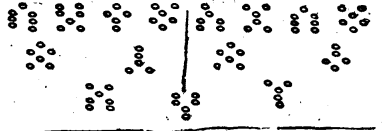
Here Abano talks about the meanings of Caput Draconis and Cauda Draconis in the various houses.
Caput Draconis (The Dragon’s Head or North Moon Node)
Caput Draconis in the first house means good luck, noble people, wise people, leaders, captains, honor, dignity, a prelate.1 In the second it means good success, gaining wealth or dignity or money. In the third it means noble brothers and sisters, lucky siblings, good through them, isolated gardens2, pleasures.
In the fourth it means good for the parents, inheritance, buildings, cities, citizens, noble people, good end to an issue. In the fifth it means science, good children, gain and help through them. In the sixth it means good servants, faithful servants, good officials, grave infirmity, melancholic infirmity,3 long fevers.
In the seventh it means honorable women, good marriage, good company, gain from noble people or from women and thanks to them. In the eighth it means inheritance, goods gain from the dead, usefulness through women and noble people, gain through war and by violence against life, being beheaded.4 In the ninth it means honoring God, ecclesiastical dignity, religious people, noble people, good journeys, delay in coming back but with good results, a messenger with bad news, messenger bearing news of legal issues, ingeniousness in a noble science.
In the tenth it means the king, the emperor, the lord, a magistrate, dignity, honor, good regents and orators, noble people. In the eleventh it means noble soldiers, captains, dignity, sublimation5, succeeding one’s lord, faithfulness, valor, good luck. In the twelfth it means noble inheritance through the mother, honorable things for [or through] women, few enemies, weak enemies, certainty, fame.
In the thirteenth it means journeys, messengers, a king, lords, usefulness, gain, honor, dignity, friendship and good recoglientia.6 In the fourteenth it means coming back from a journey with dignity and mirth and gain, letters, positive answer, honors, dignity, usefulness. In the fifteenth it means a good end to the question and strong hope.7
Cauda Draconis (The Dragon’s Tail or South Moon Node)
Cauda draconis in the first house means evil disposition of the querent or of the quesited, fear of death, being murdered.8 In the second it means wealth gain through illicit means, theft, violence. In the third it means iniquity against siblings and relatives, remains, retaliations, killings on the streets.
In the fourth it means loss of inheritance, evil lands, evil people, betrayals, false rumors, destruction of a city or fortress. In the fifth it means evil children or women, loss of children, danger during childbirth, loss of blood. In the sixth it means evil servants, runaways, grave illness, bodily fluids, killing, desperation, damage.
In the seventh it means a harlot, vile marriage, evil company, unfaithfulness, betrayal, violence, enmity. In the eighth it means fear of death for [or through] women, rumors, freedom from prison and from illness, loss through women, being killed, loss of blood and flobotomia.9 In the ninth it means being forced on a journey, loss, danger of death, toil, changing one’s religion, evil or false religious people, evil Christians,10 evil messengers, death during a journey.
In the tenth it means an evil lord, traitors of one’s country, iniquitous judges or orators, overthrowing tyrants, loss of dignity, destruction of one’s kingdom. In the eleventh it means wrongful succession, betrayal, violence, rebellion, death of one’s lord. In the twelfth it means hidden enemies of the kingdom, machinations, treason against one’s lord, assassinations both public and private, violence.
In the thirteenth it means betrayals during a journey, hate from noble people, the absent party doesn’t come back. In the fourteenth it means toiling for gain and honor, bad luck, hatred from underlings and very evil enemies, overcoming one’s enemies,. In the fifteenth it is the worst of all, eccept for doing evil things.11
MQS
Footnotes
Possibly due to the Moon’s North Node connection with beginnings and with increase, as well as the connection of the term ‘head’ with leadership. ↩︎
The text seems to say “giardini solati”, and I am not sure if it means isolated gardens or gardens in the sun or something else that escapes me. The connection with gardens is clear, as the Third House rules neighborhoods and therefore what’s around the house. ↩︎
Illnessess were traditionally categorized based on the prevailing humor. ↩︎
This is another excellent example of how to read the meaning of the figure into the meaning of the house. Caput Draconis is the head, and the Eighth House rules death, thus giving beheading (death by losing one’s head). Of course much depends on the question and the rest of the Shield. ↩︎
It is usually said that Cauda being in the First House is enough to break the figure. However, here Abano gives us coherent interpretations. Most of them are very dramatic, but it’s the principle that counts and needs to be assimilated. ↩︎
A term belonging to the vocabulary of Medieval medicine. I do not know what it means. ↩︎
Probably to be interpreted as evil believers in general, nowadays. ↩︎
Abano talks about some of the meanings of Carcer and Conjunctio in the various houses.
Carcer
Carcer in the first means difficulties, preoccupations, melancholy, prison, deep thoughts, secret thoughts. In the second it means delay in gain and increase, success through toil, but with difficulty. In the third it means evil siblings, dishonest pleasures, dishonest and disgraceful neighbors, licentiousness with siblings.
In the fourth it means fortresses, cities, stable buildings, inheritance, abudance, hidden treasures, hidden things. In the fifth it means miscarriage, dead children,1 danger through childbirth, evil children, lame children, or deranged or possessed, womanly pains. In the sixth it means good, trustworthy servants, gain from animals, long sickness, danger and pain, crying.
In the seventh it means chaste women, stable marriage, good company,2 faithful people, stable peace, people who can keep secrets. In the eighth it means death, interment, hiding treasures and goods from the dead, funeral or congregation of people caused by a death. In the ninth it means religion, serving God, hidden things coming to light, long travel or pilgrimage, good monks, just people, faithful Christians.
In the tenth it means a stable kingdom, lordship, palaces, just judges and orators. In the eleventh it means succession in a kingdom, oppressing enemies, gain with difficulty, hidden machinations, frauds, rumors. In the twelfth it means dangerous hidden enemies, long imprisonment, death of the inmate.
In the thirteenth it means danger from childbirth, miscarriage, dangers for the mother, long illness, bad in everything. In the fourteenth it means freedom from dangers and other issues, but after much trouble, leaving all problems behind. In the fifteenth it means inner strength, delay in getting one’s wish.
Conjunctio
Conjunctio in the first house means an evil disposition, machinations, fraud, cheating, unstable life, a variety of colors.3 In the second it means merchandise, gain through one’s ingenuity, being active, promptness. In the third it means ingenious brothers and sisters, good short journey and a speedy return, a messenger, false letters, having fun in company.
In the fourth it means good for the father, good inheritance, a beautiful building, ingenious actions, divisions among citizens, killings, rumors, betrayals among them [the citizens]4 In the fifth it means mirth through one’s children, giving birth, false women, a fun evening.5 In the sixth it means good but petty servants, fugitives, various illnesses but not grave, thieves in one’s family.
in the seventh it means iniquitous women, petty women, harlots, false company, thieves, scuffles and brawls, war, a sad marriage, various colors. In the eighth it means a prisoner being hanged, for the ill man it means death, and likewise for the absent party, desperation, danger of death for women [or through women]. In the ninth it means intelligence, various interests, various journeys, various fatherlands, traveling to acquire knowledge or virtue.
In the tenth it means official documents, judges, litigations, kings, lords, various offices, dignity. In the eleventh it means promises or oaths, dispatching soldiers or courtesans, instability, wrongful succession, wrong faith. In the twelfth it means hidden enemies, betrayal, damage through evil animals, infamy, detractions, dishonor, but it is good to buy animals.
In the thirteenth it means good luck in the quesited thing, in marriage and in doing good. In the fourteenth it means well for litigations and scriptures or writings, for promises and for lordships and congregations. In the fifteenth it means happy ending and good luck depending on the question.6
MQS
Footnotes
Elsewhere Carcer is given as positive for pregnancies. ↩︎
Usually Carcer signifies solitude. Perhaps, though, if the question is about someone else’s goodness it may indicate a serious character. Needless to say, much depends on the configuration as a whole. ↩︎
Conjunctio’s description is perhaps where Abano is at his most contradictory, possibly highlighting the inherently contradictory nature of this mercurial figure. Keep in mind that Mercury was seen not just as messenger but as patron of thieves. ↩︎
Possibly here Mercury suggests the idea of partisanship. ↩︎
The latin word ‘conjunctio’ can literally means the act of being joined to another in intercourse. ↩︎
Often Conjunctio is taken to means a middling result. ↩︎
Abano discusses some of the meanings of Populus and Via in the houses of the chart.
Populus
Populus in the first house means change,1 a mutable life, but a long one, and water, rivers, company, ships, mills, prairies, rain. In the second it means gain of a lot of wealth, good merchandise, gain of money. In the third it means gaiety with siblings, union with one’s neighbors, dangerous travel, gardens, watery places.
In the fourth it means the city, castles, buildings, union, congregation of people, inheritance, usefulness, abundance throughout the year. In the fifth it means many children, succession, inheritance of a pregnant woman, unstable children. In the sixth good family, many animals, usefulness through servants, deadly illness.
In the seventh it means good marriage, good partnership or company, usefulness, love of unstable women. In the eighth it means tears, funerals,2 inheritance, usefulness from dead people, gain through women, fear of death. In the ninth it means long travel with gain, rain, storm while at sea, shipwreck but ending well, peregrination with company.
In the tenth it means congregation of lords, exaltation of common people over the lords,3 rebellion, schism, diversion, suffocation of common people, grave person. In the eleventh it means dignity, gifts from lords, usefulness from the mother.4 In the twelfth it means many occult enemies, damage from their coconspirators, unjust machinations, freedom from illness and by sea.
In the thirteenth it means good company, security, safety in travel, gain from friends, goodwill, gain from travel, good return of the absent party. In the fourteenth it means gain from the mother5 and from relatives, inheritance, good fame. In the fifteenth it means good things, but with delay.
Via
Via in the First House means a positive journey, whether long or short, poverty, a short life. In the second it means little wealth, toil, loss of money and possessions. In the third it means a short journey, gardens, pleasure, gain from the dead,6 few siblings.
In the fourth it means a small inheritance, little gain, desert places, lots of water, a year of dearth, being without a father or mother. In the fifth it means few children, good relatives, succession for the mother.7 In the sixth it means servants fleeing, small animals, little gain from them, short but dangerous illness, bad servants.
In the seventh it means an unstable woman, corrupt, sad, unstable marriage, company of few but good people. In the eighth it means liberation from infirmity and from prison, fleeing danger, return [of someone]. In the ninth it means a long journey soon, goods from the church, messengers, unstable and unfaithful religious people, a bad life.
In the tenth it means instability for the kingdom, lordship, dignity, unjust judges, infamy. In the eleventh it means little hope, vain hope, unfaithful soldiers and curials. In the twelfth it means few enemies, unfortunate journey, falling from a high place,8 danger of death, loss of inheritance due to the mother, freedom from prison.
In the thirteenth it means gain from travel, a secure street, little rain, good for selling. In the fourteenth it means damaged goods, short journey, dispatching goods, the absent party is coming back soon. In the fifteenth it means good change, a quick resolution.
MQS
Footnotes
Usually, Populus is taken as a rather stable figure, while Via should indicate change. Here Abano considers them both rather changeable, possibly due to the association with the Moon. ↩︎
Because Populus means the common folk, and finding it in the Tenth House it can show that the common folk take over the place of honor. Once again, this shows very well how we ought to interpret the chart. ↩︎
The mother is the Tenth House, her Second House shows gain from her. ↩︎
Because the Fourteenth derives from the Eleventh and Twelfth and the Eleventh is, as discussed, gain from the mother. ↩︎
I don’t understand why in this house Via should indicate gain from the dead. ↩︎
Possibly because the Twelfth House is cadent from the Tenth House, the highest place in the chart, and Via shows physical movement, thus “a movement that falls from a high place”. ↩︎
Here Abano examines some of the meanings of Puer and Puella in the various houses.
Puella
Puella in the first house means happy things, fleeing from adversity, singing, dancing, usefulness, younger siblings or dead siblings.1 In the second it means usefulness for women and for merchandise, good luck, clothes. In the third house it means love between siblings and relatives, good friends, usefulness through them.
In the fourth it means fighting over inheritance, difficulty in whatever you wish to gain from your father or mother,2 hiding secrets, good profession. In the fifth house it means good messenger and letters, gaiety with children, obtaining your wish. In the sixth house it means lovesickness,3 good servants, harlots, fornication, lasciviousness.
In the seventh it means a marriage of love,4 lucky marriage, lascivious women, lack of stability. In the eighth it means death of small children, arms and swords.5 In the ninth it means usefulness through travel, good change of place, gain through merchanidse, knowledge, good news.
In the tenth it means honor from lords, good servants, good things for powerful people, happiness, goodness in everything. In the eleventh it means happiness from friends, good luck for sick people, gain, usefulness through injustice, good in everything. In the twelfth it means being firm, scams, gain through animals, problems through servants and evil people and phony people.
In the thirteenth it means usefulness through travel and lords, happiness, good news, good messenger. In the fourteenth it means freedom from danger, usefulness, happiness, gain through toil. In the fifteenth it depends on the other figuers, depending on where they fall.6
Puer
Puer in the first house means happiness, hope of gain, having kids, obtaining your wish, money.7 In the second it means gain through merchandise, selling, abundance, obtaining the wish. In the third it means discord among siblings and relatives, gain with difficulty and with company, difficulties, useless dream.
In the fourth it means controversy, fighting, discord, rumors about the father or mother due to inheritance, it brings to light the hidden, useful strategies. In the fifth it means happiness, false messenger, fights, wealth from minors. In the sixth it means fled servants, dishonest women, danger from giving birth, male child.
In the seventh it means illegal marriage, harlots, dirty words, useful company. In the eighth it means death of an enemy or of a minor, inheritance, fraud, if with Rubeus8 it means wounds and loss of blood. In the ninth it means long travel, reunion, false science and false people, false news.
In the tenth fight, bad judge, dishonor, one’s lord is too credulous, loss of dignity and wealth. In the eleventh it means false soldiers, false friends, false churchmen, unfaithfulness, treason, contrarieties. In the twelfth it means enemies, invasion, bad for journeying, subjects, the sick person is evil and a traitor.
In the thirteenth it means travel, impediments, murder, evil people, violence, eviction, loss of inheritance. In the fourteenth it means evil company, false marriage, harlots, instability. In the fifteenth it is always evil except in war.9
Puella is usually presented as a positive, if weak, figure. Why it should cause strife over inheritance is not clear. In some Medieval books on Geomancy it seems as though Puer and Puella are often mixed together. ↩︎
The connection of love, one of the meanings of Venus/Puella, with the sickness typical of the Sixth House, is rather smart here, and should be taken as example of how to derive meanings from the Figure-in-House combination. ↩︎
That is, as opposed to a marriage of convenience or marriage for money, which were common back in the day. ↩︎
This latter correspondence seems more plausible for Puer. ↩︎
Once again, this feels like a mix between Puer and Puella. ↩︎
It is not clear where Rubeus should appear in order for Puer to be ‘with’ it. Perhaps in company. At any rate, it is an interesting comment as it reinforces the idea that the figures combine their meanings to give us a clearer picture of the situation. ↩︎
Abano gives some examples of the meanings of Albus and Rubeus in the various houses.
Albus
Albus in the first house means obtaining the wish, success in white things,1 happiness, success in watery things, good news, letters. In the second it means increase of wealth, riches, gain in merchandise, usefulness through partnership. In the third it means obtaining what you wish, good for serving a lord or nobleman, good brothers and relatives.
In the fourth it means gain through the father, inheritance, gain through travel and water, rivers, watery places. In the fifth it means good kids, good messenger, good news, good letters, honor, good life. In the sixth it means serious, long sickness,2 tears, servants, animals.
In the seventh it means chaste women, honest woman, pregnant woman, gain through women. In the eighth it means tears due to bereavement, rain, lots of water. In the ninth it means gain through travel, problems due to rain (during travel), good news from afar, good messenger.
In the tenth it means good luck, good things from noblemen, or friends, good in any question. In the eleventh it means good luck through friends and happiness in all you wish. In the twelfth it means certainty in what you doubt in things of war or armed men, good for animals, bad for the prisoner, success after difficulty.
In the thirteenth it means good change of place, gain through congregation of lords.3 In the fourteenth it means help from friends, freedom from enemies, happiness in what you wish. In the fifteenth it is good depending on the other figures.4
Rubeus
Rubeus in the first means problems, fear of death and blood, great fights, enmity, ingratitude, rumors, all kinds of problems.5 In the second it means theft, loss of gain, poverty, little gain through merchandise. In the third it means sadness, loss of blood, enmity, discord among siblings and relatives, evil siblings, blood, traveling by night.
In the fourth it means loss of blood or sebum, loss of inheritance, a bad year, drought. In the fifth it means evil children, useless study, evil science,6 violence, damange through animals, evil life, good luck in war. In the sixth it means acute infirmity, fever, choler, problems through servants and animals, theft.
In the seventh it means war, fights, evil marriage, evil wife, perversion of the spouse, bad outcome, except in war, depending what side (of the chart) it favors by its presence.7 In the eighth it means loss of blood, fear of death, infamy after death. In the ninth it means dangerous journey due to thieves, assassins, public violence, wounds, drunkenness, horrible things.
In the tenth it means tyranny,8 public violence due to one’s lords, evil judge. In the eleventh it means enmity, discord, evil friends, foes, misfortune, problems, evil servants.9 In the twelfth it means toil, enemies, big misfortune, loss of what you wish, damage through merchandise, loss of wealth, bad for the prisoner.
In the thirteenth it means bad journey, loss through noblemen, hatred from higher ups, misfortune. In the fourteenth it means useless toil, prison of the messenger, hatred of evil servants, theft, evil men, dangerous travel. In the fifteenth it means good or evil depending on the figures in the other houses, it is only good in war for the victorious side.10
MQS
Footnotes
This is because Albus, of course, means ‘white’. However, one is left wondering what these white things are, and if there are deeper implications based on the symbolic and alchemical meaning of the figure. ↩︎
In many sources Albus in the Sixth House is considered a symbol of medicine. ↩︎
The idea of lords or masters is given by the Tenth House. Albus, being a figure of Mercury, supplies the idea of connection. ↩︎
It is known that Geomancers often discouraged people from reading the chart if Rubeus was in the first house. Here Abano does not mention this rule, but rather interprets Rubeus in the First House as a normal figure. ↩︎
The connection of the Fifth House with science is not clear. ↩︎
As discussed previously, in things of war Abano suggests giving one half of the shield to one party and the other half to the opposing party. ↩︎
In classical philosophy, tyranny was considered the greatest illness of politics, so it is fitting that it should be represented by the most sinister figure. ↩︎
This probably refers to ‘sevants of the king’ as the Eleventh is the second from the Tenth. ↩︎
Abano discusses now some of the meanings of Laetitia and Tristitia in the various houses.
Laetitia
Laetitia in the first house means king, priest, noble person,1 just people, good company, justice, faith, honors, good life. In the second house it means increase of wealth, gain, obtaining what one wishes. In the third it means good luck, science, inner goodness, amity, friendship with relatives, good siblings, just people, who fear God.
In the fourth it means inheritance, usefulness, obtaining what one wishes,2 just things, things that are occult or hidden or under the earth.3 In the fifth it means help from children, honor for one’s household, mirth, songs, dances, coming out of difficult situations, long life, obtaining one’s hope. In the sixth it means servants, subjects, sickness through coldness and through envy, good success.
In the seventh it means good marriage, victory over enemies, good partnerships, usefulness, gain. In the eighth it means gaining the wealth of dead people, usefulness, gain through marriage or friendship. In the ninth it means travel for religious matters or science, faith, honor, counsel, gain through travel, change of place, talking to priests.
In the tenth it means honors, dignity, judges, congregation of clerics or lords and noblemen. In the eleventh it means happiness through one’s friends, dignity, honor, gain through friends. In the twelfth it means freedom from servitude and prison, travel in faraway lands, staying away a long time.
In the thirteenth it means usefulness through travel and prelates and churches, obtaining one’s wish. In the fourteenth it means help from friends, gifts, good news in what one hopes to get, long life. In the fifteenth it means good according to the other figures.4
Tristitia
Tristitia in the first house means difficulties, pain, problems, poverty, debts, evil fancy, desire to hurt, disgrace through merchandise. In the second house it means difficulty in obtaining wealth, little gain through merchandise, poverty, dearth, damage in movable things. In the third it means adultery, incest, fights and disorder with family members.
In the fourth house it means evil children,5 loss through trees and fruits, ruin for a city or castle, secret enmity, loss of inheritance, acquisition of secret things. In the fifth it means little gain from merchandise, little happiness through children, false documents, you will gain what you want but you will lose it soon afterward, loss through fruit trees.6 In the sixth it means problems, difficulties, sickness (long), pain in the head, prison, poverty.
In the seventh it means dishonest women, unjust marriage, discord with friends, thieves, evil men, traitors. In the eighth it means fear, problems, desperation, death, gain from the sick person, fury, malignity. In the ninth it means problems traveling, delay, sickness, change of place for the worse.
In the tenth it means fall from grace, elevation of the inferior, loss of honor, exaltation of evil people.7 In the eleventh it means change, variety in friendship, misfortune in what we wish to gain, lack of help. In the twelfth it means many great enemies, fear, problems, things ill done, damage, loss of animals and servants, death of the prisoner.
In the thirteenth it means change of place, travel, loss through lords or judges, loss of wealth. In the fourteenth it means ill luck, loss, toil, misfortune due to enemies, dearth. In the fifteenth it always bodes ill, except for rain and stability.8
MQS
Footnotes
because of Laetitia’s connection with the noble side of Jupiter. ↩︎
Likely due to the Fourth House’s connection with the end of the matter. ↩︎
It probably means that such things are obtained, unearthed etc., due to Laetitia’s connection with upward movement. ↩︎
Laetitia cannot be the Judge. Abano assigns meanings to every figure in every house, including the Judge, even though only eight of the sixteen figures can become Judge. I don’t know why this is the case, whether it is due to a blind, an oversight, a lack of understanding, or a simple “stylistic exercise”, so to speak. Considering Abano’s intellectual prowess and great education, I doubt he wasn’t aware of the fact that Laetitia and other figures cannot be the Judge. ↩︎
The connection of the Fourth House with children escapes me. ↩︎
The Fourth House is the ‘orchard’, the Fifth are the orchard’s wealth, i.e., its fruits. ↩︎
I find some of these interpretations extremely ingenious, and worthy of attention. The Tenth House indicates honor and elevation, but Tristitia indicates lowliness and evil, so the combination of the two can yield either a fall from grace or the elevation of someone who isn’t worthy of being elevated. ↩︎
Abano gives some examples of the possible meanings of Fortuna Major and Fortuna Minor in the various houses.
Fortuna Major
Fortuna Major in the first house means good luck for the querent, science, honor, fame, noble people, health, long life, good in all. In the second it means gain, good luck, science, victory, money, and good through women1 and animals. In the third it means good luck, happiness with brothers, relatives, friends, usefulness in travel and through women, obtaining what you wish.
In the fourht it means usefulness in stable things, inheritance, good things from one’s parents and older relatives. In the fifth it means good fame, friendship, good grace, happiness through children, good news, favors from women, obtaining your wish. In the sixth it means health, except for women, and gain through animals and servants.
In the seventh it means marriage, increase of wealth, good partnership with gain, overcoming your enemies, good and tranquil life. In the eighth it means gaining wealth through other people’s death, freedom from danger and from death, gain, increase of wealth. In the ninth it means travel with honor, gain through it, and through science in foreign countries and with foreign people, good change of place, quietude, divine spirit, true judgment.2
In the tenth it means honor, dignity, riches through one’s ingeniousness and speeches, and thanks to one’s mother, and in things related to God, good fame, gain through great and noble people, and through one’s job, and from prelates.3 In the eleventh it means good luck, gain, increase through friends, servants, kids, and from the King or from lords and prelates and noblemen. In the twelfth it means health, freedom from danger and fear, gain through animals and servants, but the sick person won’t heal and the prisoner won’t be released, or with difficulty.
In the thirteenth it means gain through travel or from the king or a lord, parties, banquets, and toils and difficulties to have health. In the fourteenth it means good luck in all you wish, and in animals, agriculture, buildings, long life.4 In the fifteenth it means good success, good outcome, succession, good friendship.
Fortuna Minor
Fortuna Minor in the first means King, Queen, lord, nobleperson, dignity, honor, fortitude, noblewoman, noble things, animals, good journey.5 In the second it means gain, gain through merchandise, and in selling and in buying, and from family or servants. In the third it means a sister or (female) relative or (female) neighbor, good luck, good science.
In the fourth it means bringing secret things to light, fixed term employment or office, inheritance, unmovable goods, buildings. In the fifth it means honor, dignity, spouses, happiness among the common folk, happiness through journey and children. In the sixth it means sickness of a servant, problems through them, female servants, gain through toil.
In the seventh it means marriage, congregation of people, but with problems, partnership, gain throguh movable things. In the eighth it means quick long travel bringing gain, but with danger of death, good fame followed by death, being killed. In the ninth it means change of place, honorable journey, peregrination, good sceince, occult things.
In the tenth it means empress, king, lord, dignity, magistrate, mother, judge, excellent master/teacher, law, institutions. In the eleventh it means happiness, chanting, dancing, various sounds, noble friends, fortitude, travel, obtaining your wish. In the twelfth it means honor and dignity, fear of enemies and subjects and servants and sick people, freedom from prison, good for animals.
In the thirteenth it means travel with honor, sacraments, faith, gain, quick positive results. In the fourteenth it means good luck and fortune in all you wish to gain. In the fifteenth it means good succession, fame, honor among people, obtaining or accumulating wealth.
MQS
Footnotes
It is not clear why women should be connected with the Second House or with Fortuna Major. ↩︎
It is not clear what the word ‘judgment’ refers to here. In some old astrology books the Ninth house represents the court in a court case, though usually, for instance in Horary, we take the Tenth house as the judge. Furthermore, the Ninth House represents the wise people whose judgment was held in great esteem in the community. ↩︎
Although some of these subjects are usually Ninth House matter, gain through them is the second from the Ninth, so the radical Tenth House. ↩︎
The associations of the two Witnesses are taken mostly, as I’ve already discussed, from the two houses they derive from on the Shield. ↩︎
Journeys are not normally associated with the First House, but Fortuna Minor is a mobile figure and the First House can represent the querent’s location and the means of transport they use to move (buggy, ship, etc.) ↩︎
Abano starts a discussion on the meaning of the various figures in each of the houses, beginning with Acquisitio and Amissio.
I have already discussed how every figure has two properties, one by virtue of its essence, and one by virtue of its accidental placement in the chart. What follows is the meaning of each figure in each of the fifteen houses.1
Acquisitio
Acquisitio in the first house means gain through partnerships,2 obtaining what one wishes, acquisition, gain, honor, good life, health, property. In the second house it means gain, merchandise, money, good outcome, usefulness. In the third house it means good luck for one’s siblings and relatives or neighbors, and in science, and the dream is true,3 good outcome through journey.
In the fourth house it means inheritance, goods from the deceased, increase of wealth and of stable things, abundance. In the fifth house it means good luck with children, or through them, recognition, happiness, what one wishes to gain, following one’s lords. In the sixth house it means sickness, falling ill, relapsing,4 gain through animals and servants and subjects.
In the seventh it means good change of place, good friendship, good partnership, usefulness, properties. In the eighth it means gaining back the money you loaned, gain through dead people, mediocre outcome in all things, except for sickness, where it lengthens the process. In the ninth it means gain through travel, honorable travel, especially if of elevated people and people who have fear of God.
In the tenth it means exaltation, lordship, lords, honor, dignity, gaining through one’s masters, kings, emperors. In the eleventh it means good luck in every question, gain, good friends, happiness and friendship and offspring. In the twelfth it means prison, loss, toil, problems, fear, gain through serfs, subjects, animals.
In the thirteenth it means honorable journey or journeying with great people or in their stead, or with one’s mother. Gain.5 In the fourteenth it means obtaining what one wishes but with trouble, problems, difficulties.6 In the fifteenth it means good outcome in everything, good brother, good things from brothers and relatives.7
Amissio
Amissio means damage, loss, especially in movable things, coins, in wealth, theft, gossip, evil in everything, except for sickness or prison or travel.8 In the second it means loss of wealth, damage through merchandise, and in everything where gain is hoped for. In the third it means enmity with siblings and relatives or through them, wrath, discord, malice, good outcome for journeys.
In the fourth it means damage, loss, misfortune in secret things, loss of inheritance, destruction of the city, of the home, of the land, of the fortress. In the fifth it means problems and misfortune with children, loss of wealth, famine.9 In the sixth it means healing of sickness, liberation of the fled servant, loss due to animals, and when one is sick, depending on the other houses, there might still be doubts [about his health].10
In the seventh it means fraud, treachery from women and enemies, loss through marriage and partnership and friendship. In the eighth it means loss of inheritance, loss of money and wealth, death of the sick person. In the ninth it means long but good journey. Late journey in a distant land, problems on the road, with changes, harlots.11
In the tenth it means loss and problems in all you wish to gain, and if Rubeus is born from it it means being harmed, if Tristitia it means prison.12 In the eleventh it means misfortune in everything you wish to get, discord, enmity with friends, bad for prisoners. In the twelfth it means bad journey, loss through animals and loss of wealth, toil, loss of merchanidse, and you’ll collect a debt at a loss, freedom from prison and sickness.
In the thirteenth it means loss of wealth, damage through one’s lords, change of country, misfortune. In the fourteenth it means loss of friends, toil, great problems. In the fifteenth it means bad outcome, flight, not retreiveing what you wish to retrieve, misfortune in all.
MQS
Footnotes
This way of proceeding is rather typical of medieval handbooks of geomancy and even of astrology. It generally aims at allowing the reader to form an idea of the abstract properties of each figure by showing its concrete manifestation. ↩︎
It is unclear why Acquisitio in the First House should indicate gain through partnerships. In most medieval handbooks of astrology, for instance, a planet showing gain in the First House usually indicates the querent’s industriousness. ↩︎
Dreams and science are usually Ninth House matters, although the distinction is not as rigid as some modern traditional astrologers make it out to be. ↩︎
This is a typical example of a broadly positive figure having a negative meaning: people usually don’t want to ‘gain’ an illness. ↩︎
Why Abano characterizes the Thirteenth Figure, i.e., the Right Witness, as meaning all these things is obscure, until we remember that, for Abano, the Right Witness is in connection with the Ninth and Tenth houses, from which it is formed. ↩︎
Probably from the mixing of Eleventh and Twelfth House meanings. ↩︎
The connection to relatives and brothers escapes me. ↩︎
Abano does not say “Amissio in the first house means…” but “Amissio means…” I suspect though that it is just a mistake. ↩︎
Because it shows loss of the products (second from) of the earth (Fourth House) ↩︎
Amissio is generally favorable in case of illness, but what Abano is saying is that we should always look at the picture as a whole, without focusing on a single testimony. ↩︎
In a relatively straightforward passage, Abano gives the reader examples of what it may mean when a figure moves from one house to another.
To truly understand mutation and the variety of the figures, you need to consider the property of the figure, whether it be fortunate or not, entering or exiting, fixed or mobile, and judge according to its meaning the effect of the mutation, always keeping in mind the question, the quesited and the querent. Another mutation1 to be kept in mind with its meaning in order understand better what has been said so far, is the one that happens to every figure as it changes from one house to another.
If the first figure changes to the second, and is good, fortunate, entering, it means gain, good luck for oneself, and when it is evil it means ill; if it moves to the third it bodes well for neighbors, relatives, traveling; when to the fourth, it means small losses, except if it is Cauda or if the question is about older relatives, friends and things fixed and immobile, endings, buildings and possessions; if to the fifth it’s excellent, except if it is Cauda; if to the sixth, it is very bad, except if it is Via or Cauda, or if the question is about sixth house matters; if to the seventh it has a very bad meaning, unless it is for seventh house matters, as said above, or unless it is Via or Cauda; if to the eighth it means ill luck, accident, loss, death, fear, except if you are asking about your enemy’s wealth or of the wealth of another person; if to the ninth it is good, unless it is Cauda or Rubeus, and if the question is about travel it won’t be made as scheduled; if to the tenth, it is very good, except if it is Via or Cauda; if to the eleventh it is also excellent; if to the twelfth, it is the worst of all, unless it is Cauda and in twelfth house questions.2
If the second figure moves to the third house, it means good luck and gain through siblings and relatives, or due to them, but if the figure is bad it shows the opposite; if it moves to the fourth it shows good outcomes in stable things, and through one’s older relatives; if to the fifth, it means well through messengers, letters, etc; when to the sixth it means infirmity, even of the family, and loss in moble things, and of servants. If it moves to the seventh, if it is good it means well, but if it is bad it shows loss through enemies or women, or games of chance,3 or thieves; if it moves to the eighth it shows that the absent party comes back with good news, and maybe the death of some relative, or loss depending on the angles of the chart; when it moves to the ninth it shows gain or loss from the church or through travel; if to the tenth it means gain from the profession or from one’s lords and good luck; if to the eleventh it shows good luck and good friends, and good luck from the community; if to the twelfth, it means one of his relatives will fall ill or be imprisoned, or shall lose wealth, but if the figure is good it shows buying animals, and things unthought of.
The third figure, when it moves to the fourth, shows gain or loss through relatives; when to the fifth, it shows happiness and new things, and messengers, clothes, etc. When to the sixth, it shows sickness, servitude, toil, small animals; to the seventh, it means copulation,4 change of place, fights, separation; when to the eighth it means gain or loss, death, fear; when to the ninth it means long travel, churches, religious people; when to the tenth it shows the army, profession, dominion, lordship, honor; when to the eleventh it means good luck, noble servants; when to the twelfth, prison, long sickness, retrieving lost animals or buying them.
When the fourth figure goes to the fifth it shows goods from one’s relatives or children, clothes, food, and other things of the home; when to the sixth, it means sickness in the family or animals, relatives, servants; when to the seventh it means getting married, a bandit coming back for you,5 the home becomes inimical; when to the eighth it shows inheritance, the absent party comes back; dying in one’s home country or home; to the ninth, it means death of a religious person, acquisition of church things; when to the tenth, honor of the house, lordship, honors, etc; when to the eleveth, it shows good luck in one’s home, family, congregation of friends, etc.; when to the twelfth, if good, it shows good things, but when bad it means sickness, long prison sentences, toil, difficulties in one’s home or country, or through one’s relatives.
When the fifth figure goes to the sixth house, it means sickness through being hexed6 or food, or issues with children, or messengers, or animals; when to the seventh, it means marrying off one’s child, merchandise, fights, enemies rejoicing, problems with children or a woman giving birth; to the eighth, problems and death of one’s child, or [acquiring] other people’s wealth, and the absent party is doing well; when to the ninth, a child entering the clergy, long travel, happiness and gain, a churchman having a child, gain from things of the church; to the tenth, it means a happy mother, lordship or [happiness] of one’s lord; when to the eleventh it means good news for the child, and a messenger resolving all kinds of issues, and friends are happy for or with the querent; to the twelfth it means sickness or imprisonment for the child, large animals and a prisoner or wayfarer who is doing well.
When the sixth moves to the seventh house, it means sickness, wrath, problems through small animals, servants or one’s wife or other people; when to the eighth, it means death of animals or servants, loss of wealth, sickness of the absent party, and servants helping one’s enemies; when to the ninth, it means a journey full of issues, and sickness during the journey, or a sick churchman, occupation, problems with the church; when to the tenth, it means sickness and problems, but also having good and faithful [servants?], obtaining a lordship; when to the eleventh it means sickness of self or of a friend, or contrarieties with friends; when to the twelfth it means sickness of great animals, loss through them, prison, pilgrimage.
When the seventh goes to the eighth house, if it is good, it means good things for the absent party, but if bad, death, loss and issues for those represented by the seventh; when to the ninth, it means the absent party will come back, the bandit goes away, the querent gets married, the enemy makes peace, long travel, religious people, or a churchman becomes your enemy; to the tenth, the lord gets married or becomes inimical, lordship, honors; when to the eleventh it means a friend becomes an enemy, and what’s good for him is bad for you, the partner won’t keep his promise, the thief is a false friend, the marriage or partnership is changeable; when to the twelfth loss of animals through enemies, or due to sickness of animals, and prison, and the prisoner gets married, problems during a pilgrimage, long pilgrimage, betrayal from hidden enemies.
The eighth figure, when it goes to the ninth house, means wealth, help from the church, death of a priest, travel full of fear and problems, the absent party is traveling; when to the tenth, it means death, occupation of stable things, the absent party comes back to the country; to the eleventh, it means death of a friend, gain through a dowry, inheritance, misfortune, loss through friends, good luck of the absent party if the figure is good; when to the twelfth, it means the prisoner or sick person is seriously sick, death of the same, and of the wayfarer, and being imprisoned due to enemies.
When the ninth goes to the tenth, it means ecclesiastical dignity, increase of church things, an honorable journey or for religious purposes; when to the eleventh it means good luck in travel, good company or partnership, luck with friends and things of the church, recognition within the church; when to the twelfth it means issues while traveling, danger through horses, being imprisoned, the prisoner may be released, the wayfarer comes back, the horse is found, and this causes more or less trouble to the querent depending on how good or bad the figure is.
When the tenth figure goes to the eleventh it means good in all things, and one’s lord or master is good and friendly, the year abundant; when to the twelfth it means prison, sickness, one’s enemies are not seen in a good light, and are hated by your friends and by your masters.
When the eleventh goes to the twelfth it means sickness, prison, adversities, problems, and one’s hidden enemies are lucky, and all is good for the querent.
MQS
Footnotes
It is rather typical, in premodern occultism, to use the same word to signify different things depending on the context. ↩︎
The general principle in judging the mutation of one figure to another house is whether it bodes well for the question at hand and whether the figure accords with the question and is fortunate. As such, in Abano’s example, a figure moving from the first to the seventh is unfortunate because it oppses itself, but the same movement is positive if the question is about Seventh House matters (marriage, alliances, etc.) ↩︎
Gambling is often seen as a Fifth house matter, but in this case the relationship with the Seventh House is through the fact that we are playing against ‘other people’. ↩︎
it is not clear why the conjunction of Third House and Seventh House matters should produce sex. ↩︎
‘Ritorna il bandito’. Bandito is an ambiguous word in Italian, as it can mean both bandit and banished. In this case it is probably the latter meaning which is relevant: someone who has been banished will come back. ↩︎
‘per fature’, similar to the current Italian word ‘fattura’, which in this context would mean a hex. It is possible the word has another meaning which escapes me. ↩︎
In this chapter, Abano discusses what happens when a figure changes from one house to another, and also geomantic perfection.
It is very necessary that you know how figures change from one place to another, as shown above,1 for it is of great signification. We have three species of mutation: Mutation, Translation, Occupation and Conjunction. Mutation is when the first figure of the querent is found in other houses such as the third or ninth or other places, whether near to or far from the house that signifies the quesited.2 Similarly, Mutation is when the quesited does the same with the querent.
For instance, let there be a question about a sick person, who wants to know whether he shall heal. In this case the first is the querent and the sixth his being sick, and the eighth is death, and the tenth is the house of well-being and the twelfth the house of the graveyard. If the first goes to the third and also to the tenth or eleventh, this is a mutation of place; and similarly if the sixth goes to the ninth or eleventh house, this is also a mutation.
And Mutation has a double meaning, because depending on where it happens it changes its signification and virtue for good or ill depending on the house. If the said figures are in the tenth, which means well-being, or the eleventh which is next to the tenth, it means healing, especially if it is both in the tenth and the eleventh; but if the first or sixth goes to the eighth it means dying, or if to the twelfth also, because it means the graveyard, especially if the figures are earthy and unfortunate.
Another example. Let there be a question about whether one shall have the woman he desires. The first is the querent and the seventh the quesited. If the first, being fortunate, moves to the fourth and the seventh, similarly fortunate, moves to the third, he shall have her, because both figures are fortunate and they are next to each other: they have mutated place. However, this shows that he shall not have her at his place or even at hers, but it will happen in the house of a neighbor or relative of his, and this because both figures are found in the first four houses, which represent the querent. If it had been on her side of the chart, i.e., in the following four figures, it would have happened in the house of someone she knows. And if it were in the ninth, tenth and eleventh, in a distant place. But if the figures are unfortunate, it shows contrarieties, partly due to him and partly due to the persons signified by the houses involved. But if the figure is fortunate but it changes to the twelfth, it means he shall not have her due to hidden enemies.
Translation is when the first figure or the second, which is associated to it, moves to the house of the quesited or next to it, or vice versa. And if the figures are good and accompanied by good figures,3 it shows a happy end, but if it is a mixed bag, the greater part wins4. However, it is better when the translation is made by the first figure and not by the second.5 It is also a translation when the figure of the quesited is found in the house next to the querent, that is, the second. It is also a translation when the first or second are not only in the house before the the quesited, but also in the house afterward.
Example. If the question is about marriage, whether it will happen or not, and through what means, and the first figure is Acquisitio and the second Laetitia, which are both good (and the first is better), and the seventh is Albus and the eighth Laetitia, which is better than Albus, this all shows that the marriage will happen easily and will happen through one’s relatives, especially if the fourth and tenth are close to one another and to the second, which is airy, and to the querent and the first figure is found in the Witnesses. For instance:
Example of Geomantic Shield by Peter of Abano
Occupation can happen in two ways: the first is when the figure of the querent occupies the house of the quesited. For instance, if the question is about a (contested) inheritance and whether one shall have it or will need to get it from an enemy, and if the first figure is Albus and the same figure is found in the fourth house, which indicates houses, fields, possessions, inheritance and stable goods, this is called Occupation, because the first figure occupies the fourth house, i.e., that of the quesited. It indicates obtaining what you wish, especially because Albus is a good figure. No geomantic configuration is better than occupation, but only, again, if the figure is good.
Example of Geomantic Shield by Peter of Abano, 2
Even more does it indicate obtaining the quesited because Acquisitio is in the second house, which means gain, and the ninth and tenth are fortunate, being houses assigned to the querent. Another way of occupation is when the house of the quesited is found to hold the opposite figure of that of the querent. So, for instance, if with Albus in the first, one should find Rubeus in the fourth. This is also a form of occupation, but this is a worse kind, especially if the figure of the quesited thus obtained is unfortunate.6
Conjunction is also of two kinds. The first is when the first moves next to the house of the quesited, or vice versa when the quesited moves next to the house of the querent, that is, in the second house. The second type of conjunction is when not only one finds the two figures together as just said above, but one finds them together also far away, that is, in the ninth, tenth or eleventh.
Example. The question is if one shall get back a lost or stolen item or a fugitive servant. The first figure is Major, which moves to the fifth house next to the sixth of the lost thing or the runaway servant. Major is a good, entering figure. Furthermore the sixth figure is found in the second house next to the querent. The judgment is therefore that one shall get back the lost item. Furthermore, the figure of the quesited is conjunct to the first in the second, which shows the querent’s gain, and things are further facilitated by the fact that the sixth house has Populus in it, which means the waxing Moon. Finally, it is even more fortunate because Populus is found in the tenth and Major in the ninth and eleventh, and even more so because the first is found in the Witnesses, and the sixth as the Judge.
Example of Geomantic Shield by Peter of Abano, 3
All these configurations are called conjunction, whereby the ninth figure is said to be conjunct the first and the second because it is born from them,7 and the tenth is conjunct the third and fourth because it is born from them, and the eleventh is conjunct the fifth and the sixth because it is born from them, and the twelfth is cojunct the seventh and eighth, because it is born from them. And furthermore the Right Witness is conjunct to the ninth and tenth because it is born from them, and the Left Witness is conjunct to the eleventh and twelfth, because it is born from them.8
Let’s make the example of one asking about a lost item, and the first figure is Major, which however does not move to the house of the lost item, nor does it conjunct it, but moves to the third house, and similarly the sixth figure, which is Acquisitio, does not conjunct the first immediately, but moves to the tenth house, wherefore one shall judge that he shall soon get the lost item back, because the figure of the querent is found in the third house and Conjunctio is in the fourth, and the sixth figure is Acquisitio and is found in the tenth, which is born from Major in the third and Conjunctio in the fourth.9 Therefore, querent and quesited are said to be in Conjunction, especially when they are fixed and fortunate and entering, and the Witnesses are the Judge are exiting, and this means a change of place of the quesited to the place where the figure is found.
Example of Geomantic Shield by Peter of Abano, 4
The reason for all these methods of Mutation or Translation and Occupation and Conjunction is that every time a figure moves from its original house, it is always found in the place wherein it moves, and not in its original place, because no change happens without cause and without meaning something. Nevertheless, always it maintains the meaning of the person or thing inquired about in their original place, only changing its fortune or misfortune and its time-frame (past or future) in the way we have discussed above.
However it is not always the case that a good figure diminishes its good fortune or a bad figure its bad fortune; in fact, sometimes it increases them, depending that it is found in a better Mutation or Conjunction, so that if the first moves by Translation or Conjunction in another place, or if it occupies it, the figure still indicates the person of the querent, but it shows greater virtue of said figure in the question inquired about, and it means a more particular effect than if it were found only in the first house.
The same is to be observed if the second figure goes next to the house of the quesited or moves to its exact house, or next to the figure of said house, if they are good, and vice versa if they are bad the misfortune is greater [than if the figure hadn’t moved], always keeping in mind the limits of the question and of the figures it requires, and of the places and houses of the quesited. So that if the first goes to the seventh, which is a bad place, contrary to that which the querent seeks, being the house of the enemy, and it means fighting, anger, discord, then it means contrarieties surrounding the obtaining of what one wishes, unless if the question is about marriage, love, friendship, business, travel, lack of peace, and similar things, in which case finding the first in the seventh is excellent, if the figure is positive and fortunate.10
In other questions, if the first moves to the twelfth or sixth or seventh, if it is a good figure, it diminishes its goodness, but if it is a bad figure it augments its evil, except if the first figure is accompanied by a good figure in the second or ninth or eleventh.
And when the second, ninth and eleventh are fortunate and good and the questions are about an absent messenger, good news, money coming from afar and other similar things, and if you find in these houses the fifth or sixth figure or the seventh, twelfth, eleventh or thirteenth, it means good news, good messenger, a messenger coming from afar, money approaching. If the second or ninth and third or also the thirteenth move or translate to the seventh, eighth or twelfth it means good things from afar, especially if the Judge agrees.
If the seventh or eighth moves to the fourth they show good news and durable situations, if the figure is good, and the opposite if they are unfortunate. The best houses are the first, fifth, tenth and eleventh. The second, third, fourth and ninth houses follow. The worst are the sixth, seventh, eighth and twelfth.
Every good figure that you find in a good place increases its virtue due to being in a good place, but if you find it in a bad place it diminishes it. Every bad figure you find in a bad place increases its malice, but if you find it in a good place it diminishes it, except in the first house, where it always keeps its own properties and meaning. And every figure you find accompanied or conjunct by others diminishes or increases its goodness or malice depending on the figure it is accompanied by.
Therefore, if the first is good and fortunate and the second good, and the ninth also good,11 it does not increase the goodness of the first, but if it is bad it decreases the goodness of the first or second, keeping also in mind the question and the querent’s desire and the houses involved in it and the meaning of the house of the querent. The same is valid for the tenth house with respect to the third and fourth house, of the eleventh with respect to the fifth and sixth, of the twelfth with respect to the seventh and eighth, of the Right Witness with respect to the ninth and tenth, of the Left Witness with respect to the eleventh and twelfth, as said above.
In other words, mutation implies change of house, regardless of whether it brings the querent near the quesited, although in this case we have, of course, perfection. Note that usually we consider a Mutation to happen when two figures move to places that are next to each other, but Abano, as many other Medieval authorities, doesn’t seem to fixated on precise language. ↩︎
“Accomagnate cun bone”. It is unclear if this refers to the company of houses. ↩︎
That is, if the figures are mostly good, it is positive, and vice versa ↩︎
This seems to imply that translation happens even if the querent’s figure causes it. This is in contrast with modern practice. ↩︎
This technique has not survived in modern practice. However, it would be interesting to test it out. ↩︎
This assertion made by Abano is of incredible interest for those trying to make more of the Geomantic Shield. Apparently, we do not consider figures to be next to each other just in the order of the Astrological houses, but also when they are next to each other ‘genealogically’, so to speak, on the Geomantic Shield. ↩︎
As shown in other examples before, Abano seems to consider the Witnesses to be similar to the other houses, and therefore potentially in conjunction with them. ↩︎
In other words, the two figures are conjunct by moving to houses that Abano consider to be next to each other, i.e., the third and the ninth. ↩︎
Abano seems to be saying that when a house that is meaningful to the reading has its figure move to another house, it is always significant, but the good or bad import is decided by the kind of question. ↩︎
The Ninth House is considered by Abano therefore to be in company with the first, in a way, or at least to be close to it, so that a figure in it influences the querent. ↩︎