Tag Archives: Geomantic Court

Which House Is Next To Which?

In astrology, the contiguity of the houses is obvious, since the houses are usually arranged either in a square or in a circle, but always forming a loop. Thus, we have that the Ascendant is always squished between the second house and the twelfth; that it always opposes the seventh, and, if we go by whole sign houses, that it has fixed relationships with all the others (inconjunct, sextile, square or trine).

This is not the case in Geomancy, where the relationship between houses is controversial, at least nowadays. First off, it is not pacific that the houses of the Shield represent astrological houses, unless we operate an equivalence with astrology, as was done at least since Geomancy reached Europe.

Those coming to Geomancy through Michael Greer, as I did, are probably used seeing the geomantic houses as equivalent to astrological houses: once the Shield is turned into a square chart, the houses follow the same astrological pattern as in an astrological chart. Those coming to Geomancy through the Golden Dawn, though using a different way of assigning the mothers to the houses (the one popularized by Agrippa), still end up dealing with a 1:1 replica of an astrological chart.

However, the idea that the Shield chart and the astrological chart are separate ways of doing Geomancy seems to be relatively new. In most old books, only the Shield is shown, and even when the astrological format is followed, this is done more to show some of the similarities with astrology.

Secondly, which house is next to which is not always clear, and sometimes varies by author. In some sources it seems that only houses that are in company are considered to be next to each other: first and second, third and fourth (but not second and third), fifth and sixth (but not fourth and fifth) and so on pair by pair. This seems to follow the order in which the Shield chart is generated.

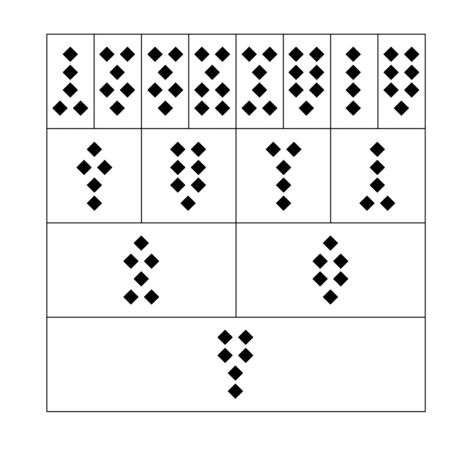
An example shield chart. App used: Simple Geomancy

In the example above, Tristitia in the first is next to Via in the second, and Tristitia in the third is next to Conjunctio in the fourth, but not to Via in the second. This is possibly because the first and second combine to form the ninth and the third and fourth combine to form the tenth, but the second and third never combine. This approach obviously restricts the possibilities of perfecting the chart, since most houses end up losing a possible spot next to them for other figures to move to.

Another approach is the one I found while translating Abano’s work. Here Abano started by saying (or rather, implying) that the twelfth house is not next to the first. Initially, I thought this was because he was following the arrangement for the company of houses I just discussed. Yet he gives other examples where he does not follow it, for instance by implying that the eighth and ninth house are next to each other, which would contradict the company of houses (the eighth is with the seventh, the ninth with the tenth).

Then, in another one of his examples, he implies that a figure in the tenth house is next to a figure in the third. This does not make sense from an astrological standpoint, but from a sheer geomantic standpoint it does: the third house DOES border with the tenth, since it co-generates it with the fourth. This would also explain why he doesn’t consider the twelfth house to be next to the first: not because they are not in company, but because they are not close on the Shield (they are, in fact, on opposite ends of the shield).

This approach of considering the houses close on the Shield as being next to each other is certainly different from anything I’ve seen, especially in contemporary geomancy, and if it weren’t for the fact that enough readings I’ve done confirmed to me that the twelfth house CAN perfect with the first, I would find Abano’s approach extremely appealing. Unfortunately, one of my rules when dealing with divination is that practice trumps theory.

Abano goes even further, implying that the Witnesses (and possibly even the Judge) are to be treated as regular houses. This, in itself, is not unique to him, but what I find unique is that he considers the Witnesses capable of perfecting the reading, for instance if the first figure moves to the tenth and the quesited’s figure moves to the right Witness, where, by Abano’s theory, the two figures touch.

Another consequence of Abano’s approach is that not all houses are created equal: the first house, for instance, only touches with the second and the ninth, while the tenth house must be considered to be next to the ninth, eleventh, third, fourth and to the right Witness.

A possible argument, at this point, could be that this approach makes certain readings too easy (like those involving the tenth house, as I just showed). Still, we should keep in mind 1. that divination reflects reality, so a no is a no, regardless of the system 2. secondly, that Abano doesn’t always consider merely the querent and quesited. Often he considers the whole chart, and sometimes he resolves certain questions by dividing the shield into two sides (the left and the right side) and seeing which side is stronger. This is a method he has from traditional astrology, where questions of contest or war are often decided in such manner.

Ultimately, which approach we choose depends on what works, which means that the only way is to try, record and compare with what actually ends up happening.

MQS

Career Change (Example Reading)

In a previous post, I talked about a friend with whom I’m doing an experiment with German Skat cards. According to the spread, he should get the job he applied for. Yesterday we did a Geomancy reading on the same topic of his change of career direction. This was the reading.

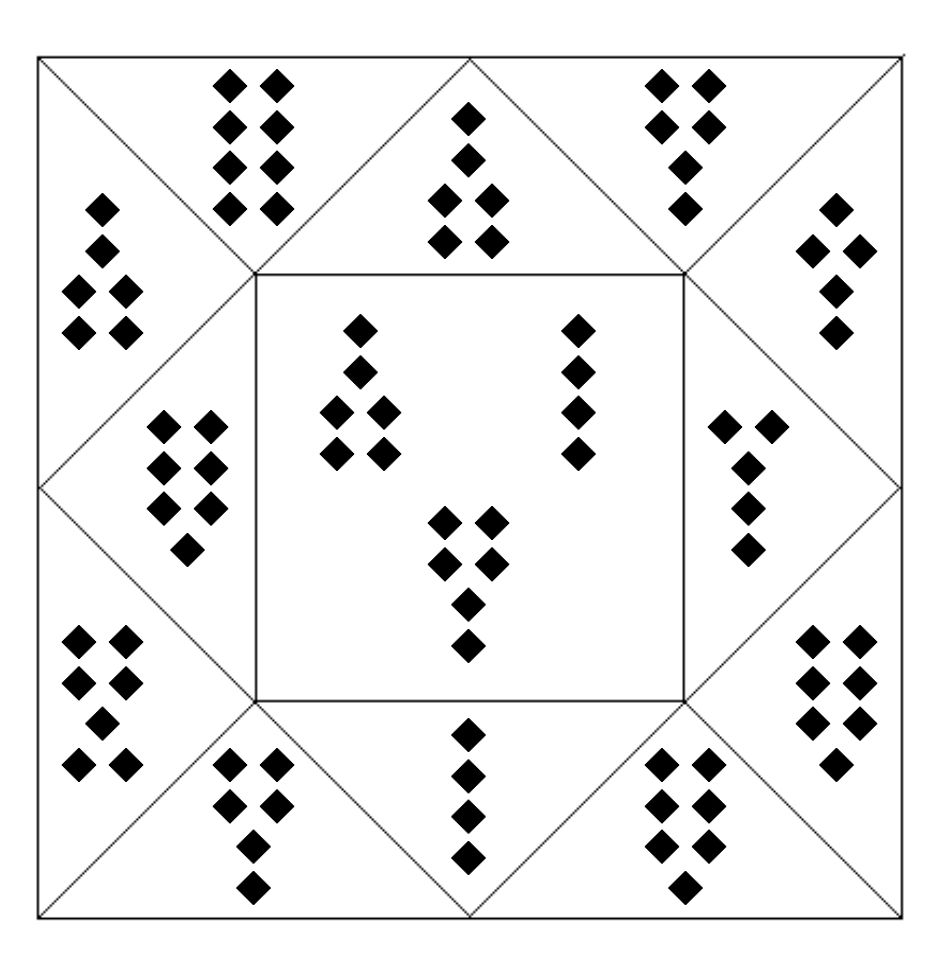
A career reading. App used: Simple Geomancy

The more I study Geomancy’s old texts, the more I am inclined to interpret the Witnesses as representations of the querent (Right Witness) and quesited (Left Witness).

In this case, the querent is represented by Via, the way, which is an appropriate symbol for someone looking to change up his career. The quesited is Fortuna Minor, sometimes called “the outside help”. It could easily be seen as an opportunity for this change to happen. The Judge resulting from the two witnesses is Fortuna Major, which is positive and offers long-term good prospects.

Within the chart itself, the querent is indicated by Tristitia. Tristitia is a symbol of sadness and stuckness. The job is indicated, once again, by Fortuna Minor. Minor springs from the Tenth to the Twelfth house. If we go by Abano’s indications, the twelfth house in the shield doesn’t touch the first, so it shouldn’t count as perfection.

Still, I have found in my practice that the two houses can be seen as contiguous to one another. Therefore, Minor moving toward the querent should repeat the testimony of the opportunity presenting itself for a change of career, in this case to relieve the stuckness of Tristitia.

Tristitia also moves toward the fifth and sixth houses. The fifth is good, the sixth is bad. However, if you read the previous post, the job is in the healthcare sector, though it would be hard to see this in the geomantic chart if I didn’t know it in advance. Tristitia’s move toward the sixth house could also indicate the querent’s stuckness is not good for him, so it might encourage him to accept the change coming from the tenth house. I am more inclined to this latter interpretation.

We still don’t know the result, but I’ll update the post when I know more.

MQS

Robert Fludd’s Geomancy – Book II Pt. 5

Previous / Back to Index / Next

Fludd discusses the meanings of Puer, Puella, Fortuna Major and Fortuna Minor.

Puer

in the First House, hope, marriage, the cheerful manner of a child, who loves nothing but to sing and spend time with music and the company of women.1
In the Second House, profits in commerce, good fortune, good profit, company of women, reception of debts.
In the Third House, joy on account of brothers and neighbors, charming and cheerful neighbors, a good journey, a good dream, and delightful news.

In the Fourth House, fights, no acquisition of the desired object, refusal of the thing that one desires, water.
In the Fifth House, joy, good children, news and letters, good news, pleasures, love, delights with women, musical instruments.
In the Sixth House, good servants, foolish women, children born from fornication, good animals, and long or prolonged illnesses.

In the Seventh House, evil and foolish women,2 fornication and bad company, marriage of children.
In the Eighth House, death and disease.
In the Ninth House, a journey by land, false belief, lewdness of the church.3

In the Tenth House, litigations over women, or for servants, or children in judgment or before a judge, (being in) the service of some master.4
In the Eleventh House, joy, luck, good love, love of women and men due to lewdness.5
In the Twelfth House, victory, a bad man, dangers, prisons, the failure of that which is equired about, good animals, strong and bad enemies.

In the Thirteenth House, joy and profits come from great people, letters, news, life, joy and travels.
In the Fourteenth House, danger but later a good end, drinking well, eating well, news and love.
In the Fifteenth House, temperance, profit in all things, and the completion of goods.6
In the Sixteenth House, all good.7

Note, when this figure is in the first house, it signifies a young man, handsome, and of good looks, with a fine beard, luxurious, fond of instruments and music, monks, hypocrites, and scholars.

Puella

In the First House, happiness of friends, food, having children, lewd and licentious words, lying, full of superfluous speech.8
In the Second House, profit, a tendency to extravagance.
In the Third House, love of relatives, good company, good relatives, much talk, weariness on the journey, and sometimes robbers.

In the Fourth House, profits in works of love, from father and mother,9 from inheritances, small fruits, talk, lewdness and dishonesty in the house.
In the Fifth house, happy children, news, letters, delights, superfluous words about lewdness, love of women, liars, and cowards.
In the Sixth House, evil women, disease of slaves, profit from animals, slaves (who are) full of boastful and lustful speech, diseases, that is, ulcers, swellings, bruises and the like.

In the Seventh House, marriage, profitable partners, women’s joys, many talkative and lustful women, harlots and dishonest women who touch others without merit.
In the Eighth House, the death of parents or sisters, inheritance from the dead, many words, the death of slaves in a foreign country.
In the Ninth House, profits on the way, sagacity, a man who loves joy and cheerfulness more than prayers and divine worship, dreams, news without much merit, good understanding in one’s teaching, singing, disturbance for the church.

In the Tenth House, happiness and profits on the way of one’s lord,10 good master and duties, but much talking done before.
In the Eleventh House, good friends, profit from slaves and beasts and good fortune, much talk, lust and fornication.
In the Twelfth House, talkativeness, profits from beasts and servants, enemies full of quarrels, beasts quite good.

In the Thirteenth House, profitable journey, profits from some lords.
In the Fourteenth House, good luck, profit from danger.
Note, when this figure is found in the First House, it denotes a man having a small body, and a short neck, a large head, teeth badly arranged, a fine intellect.

Fortuna Major

In the First House, thoughts of kings, treasures, old men, a man of good life, good fortune in all matters of profit and honor of the seeker, steadfastness, good hope.
In the Second House, wealth, profit, and especially from animals, a rich man, good luck, acquisition, joy, sense of gain.
In the Third House, good journey, but a little delayed, a good brother, good and rich relatives, a good dream, good news, joy, profit.

In the Fourth House, a good estate, the acquisition of the inheritance of great lords, treasures hidden in the earth, a good house, great advantage in all things stable,11 a good end, a good father and mother.
In the Fifth House, good children, good news, good letters, good love with wife, security of heart,12 change and honours.
In the Sixth House, long illness and pain, good animals, good servants, faithful and stable.

In the Seventh House, a good marriage, a good and chaste and prudent woman, great wealth, conquering one’s enemies, both in legal proceedings and in battles, strong and stable enemies,13 good in commerce, receiving one’s desire in other countries, the gathering of men and women.
In the Eighth House, rich enemies, riches from the dead, profits in a foreign country; where it is noted that this figure is good, but the house is terrible.
In the Ninth House, good journeys, though slow, good dreams.

In the Tenth House, good judgment, good decision in the place where the figure is duplicated, peaceful kings and kingdoms; a peaceful and firm state of the lords, the acquisition of one’s desire, reward and lasting honor from the lords.
In the Eleventh House, good fortune, noble and faithful friends, profits in trade, good hope of riches from the king and prince, joy and happiness.
In the Twelfth House horses, good and useful animals, a long and dangerous imprisonment, a dangerous disease, long debts, long tribulations, strong enemies14, evil for journeying.

In the Thirteenth House, a good journey and good fortune, acquisition from the king, absence, happiness in riches and joy.
In the Fourteenth House, deliverance from diseases, escape from prison and debts, good luck, sudden riches for the absent, good company, good friends and security in hope.
In the Fifteenth House, a good judgment, a good end, a good outcome for joys, and if it comes from good Witnesses, it will give the petitioner security in all good things, and the good is witnessed in the place (in the chart) where the figure is found.

Note, when Major is in the First House, it means an old man, a merchant of precious cloths, affable, of average stature, well dressed, good hair.

Fortuna Minor

in the First House, goodness, a good journey to princes and lords, a rich and fortunate man, also a king,15 a prince, a leader, a man of great authority, knowledge, good animals, a good and humble wife.
In the Second House, the acquisition of a house by a master or a great man, and indeed without effort.
In the Third House, good brothers, and wealth and profit from them, good neighbors, good knowledge and good faith, good travels, especially by sea, a good woman.

In the Fourth House, treasures of kings or magnates, good journeys to parents, noble inheritance, and acquisition of inheritance.
In the Fifth House, good children, good news, a good journey towards children, joy and comfort, useful journeys,16 pleasures and delights of nobles.
In the Sixth House, the insults of kings and princes and their injuries from other lords,17 as well as victory from them, fear of losing their dominion or kingdom, proud servants.

In the Seventh House, a good woman, beautiful and rich, but it will be doubtful that she will be destroyed by foolish love, murder committed by a great man, denotes to one’s son a noble marriage and good travels.18
In the Eighth House, the death of kings, or the fear of kings, so that he who has become a problem may fear them, and if Rubeus is found in the Seventh House, death due to loss of blood, it is not good to go out of the country or to travel, for imprisonment or violent death are to be feared.
In the Ninth House, a good journey, a good relationship with kings or superiors to obtain favor, a faithful man, of good faith and God-fearing.

In the Tenth House, a good king and a ruler with good virtues, victory, good for migration by sea and making journeys, the acquisition of property from a prince or king, acquisition thanks to the love of judges, profit and honor.
In the Eleventh House, good hope, good friends, good fortune, good company, good fortune in beasts and servants.19
In the Twelfth House, good animals, coming out of prison, poverty for the petitioner due to that, where the figure is duplicated, and especially in the Tenth House, it denotes the loss of the kingdom to the king, either due to himself or his children.

In the Thirteenth House, profits on the way, and receiving one’s wish from some lord.
In the Fourteenth House, a long life, good fortune, and profits in the business one hopes for.
In the Fifteenth House, a good result in all good things, a good end, good company, honor and glory.

Note, Minor in the First House signifies a king or queen, a handsome and brave man, clothed in scarlet, who likes to travel often, covered with gold.

MQS

Footnotes
  1. Puer and Puella are the two most confusing figures in traditional texts. Here we find mixed together attributions that, in contemporary geomancy, have been attributed to one or the other. ↩︎
  2. Fludd seems to attribute Puer to women, and since the Seventh House is the house of enemies, it causes the women to be evil. ↩︎
  3. Here seems to emerge the typical sexual theme that some today attribute to Puer. ↩︎
  4. Possibly meaning being subservient to another. ↩︎
  5. Possibly indicating homosexuality. ↩︎
  6. Puer cannot be the judge. ↩︎
  7. This is possibly the only time that Fludd discusses the Reconciler (also knwn as Judge of the Judge) ↩︎
  8. Similar traits are assigned by others to Puer. However, let us also not forget that in those times, sometimes women were considered deceitful by default. ↩︎
  9. Note that typically the Fourth House is assigned to the father and the Tenth to the mother. However, when considering one’s parents in general, they are both Fourth House matter, since the Fourth is the house of the family and the home. ↩︎
  10. “In via de Domino”. I don’t understand what this means. ↩︎
  11. Major is considered one of the most stable figures. ↩︎
  12. The heart is often assigned to the Fifth House, and Major gives steadfastness. ↩︎
  13. In this interpretation, the power of Fortuna Major is in favor of the enemy, ruled by the Seventh House. ↩︎
  14. In the Twelfth House, Major causes prison sentences to be steadfast, that is, long. ↩︎
  15. Fludd seems to attribute worldly honors more th Minor than to Major. ↩︎
  16. I don’t understand the connection to journeys. ↩︎
  17. possibly due to the negative effect of the house. ↩︎
  18. Much of what is said here is hard to understand logically. ↩︎
  19. The connection with animals and servants is odd. ↩︎

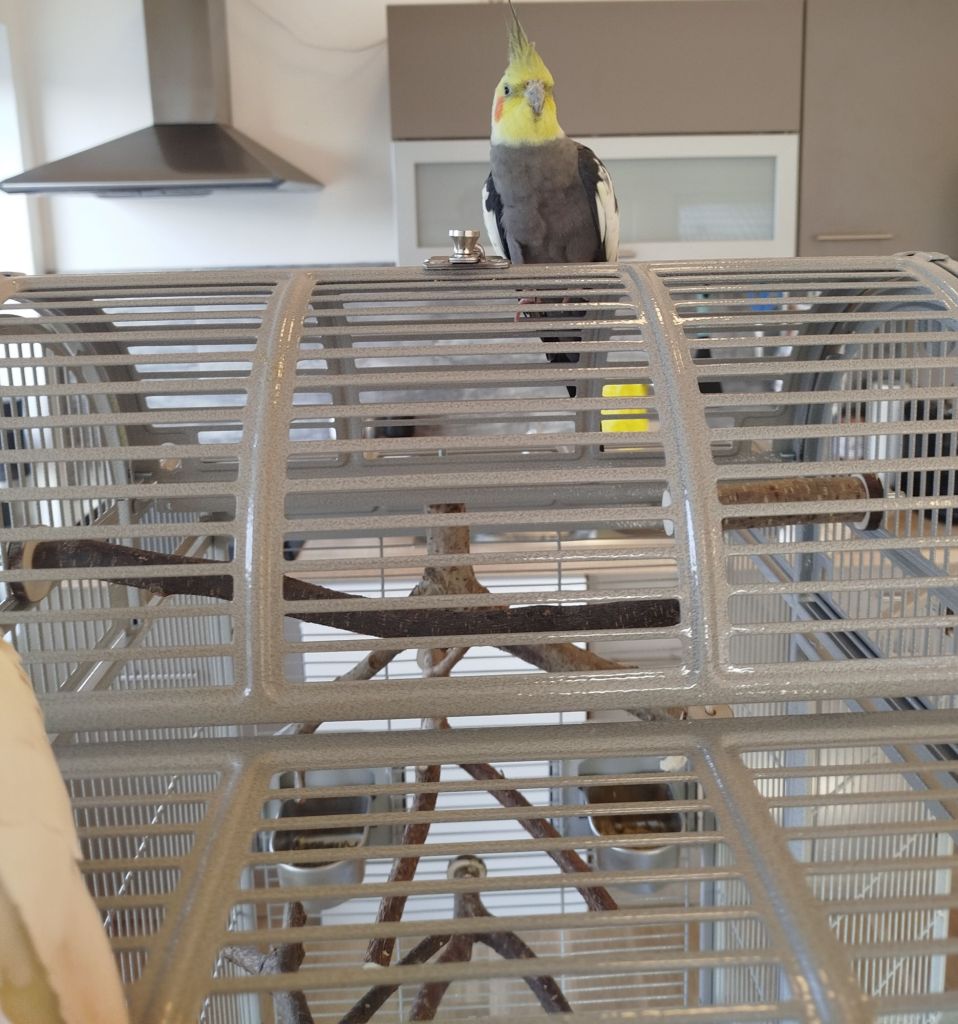
Zazu Says Hi (Example Reading)

After getting our little Ciuffy, we were on the lookout for another ‘tiel. I kept browsing through the ads for a young, tame male, but I kept seeing either clear scams or birds with other issues. I did a geomancy reading, asking if I would soon find one that fit the bill of what we were looking for:

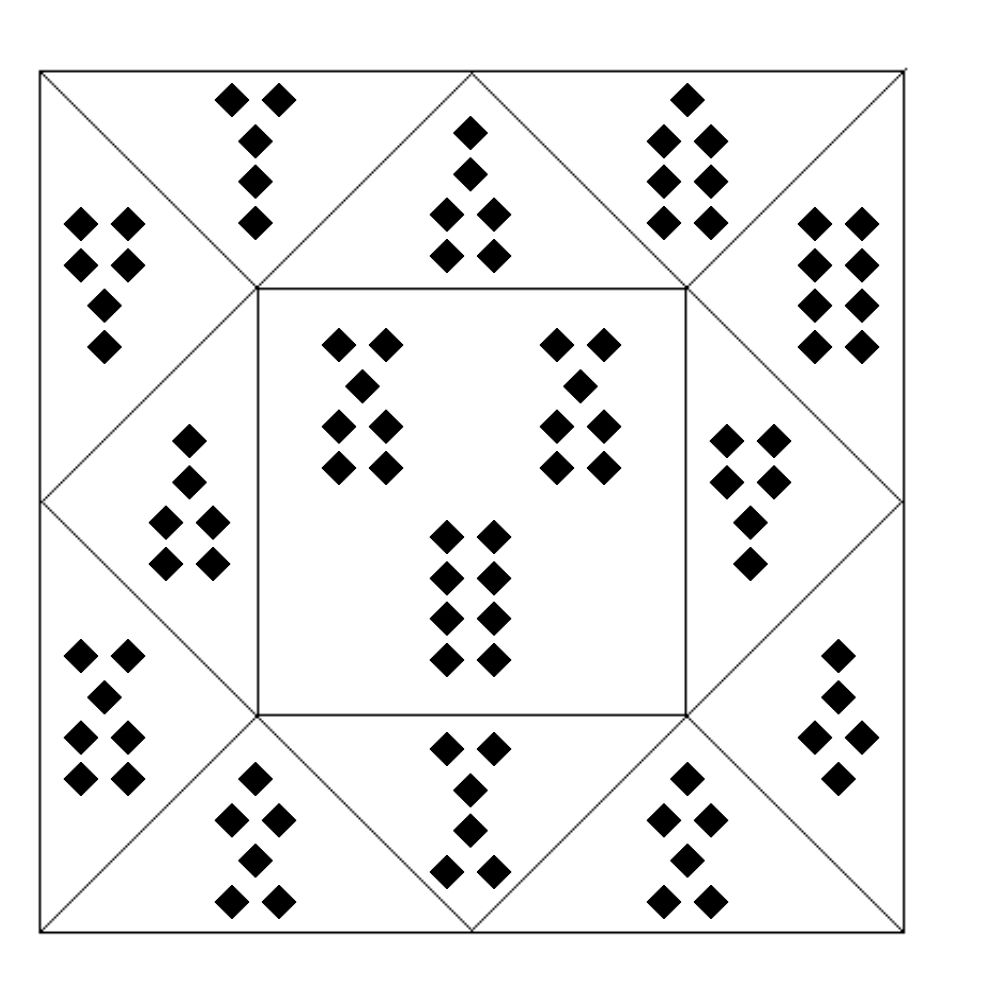
Geomancy reading: will we find a young tame male? App used: simple geomancy

I am signified by the ruler of the Ascendant, Fortuna Minor. Small animals are a Sixth House matter. Technically, if this was a horary chart, I would have to turn the chart (will I get someone else’s bird? Sixth from the Seventh, i.e., the radical Twelfth). However, I have found that Geomancy is less prescious about this kind of stuff. Let’s see how the chart speaks and let us follow it instead of trying to impose ideas on it.

The Sixth House is occupied by Puer: a male! That bodes well. The Judge, however, is Populus, which doesn’t say much. Worse still, Populus comes from two Rubeus. Still, we also find that Fortuna Major connects the Ascendant ruler with the Sixth House, since it is found both in the Seventh and the Twelfth house. A positive figure connecting two positive figures is a positive sign (Puer is more neutral, but still good in context).

Fortuna Minor, furthermore, usually indicates shorter timespans, and it moves to an angle (the Tenth house), which is also a generally positive sign as far as time is concerned. 

The reading was done a couple of weeks ago, and we found Zazu yesterday.

Zazu, also known as Pollo

I am still unsure about that Geomantic Court, with two Rubeus and Populus as judge. It is sometimes said that Populus has little to say, but I don’t believe that. One possible interpretation is that, since Rubeus has the quality of being excessive, the Populus resulting from two Rubeus might show too many birds (a crowd of too many), which is why the person I got it from wanted to get rid of him (or rather, his wife wanted to get rid of him). The court could also simply be warning about potential scams or questionable deals (and I had to sift through a fair share of those).

Be it as it may, I am not too worried about the Court, since the Judge of the Judge (Judge + First House) gives Fortuna Minor, a positive sign for the long run. I’ll update the post if something comes up.

MQS

The Job Interview (Example Reading)

Since I began reviewing my geomancy reading method I started nagging some friends for an opportunity to read for them. I am especially interested in seeing whether we can consider the houses in the shield to be adjacent across the shield (like, for instance, the First with the Ninth), as Peter of Abano seems to suggest in his handbook. This would open up the Geomantic Shield to a whole host of interactions.

A friend of mine was applying for a job, so he asked me if he would get it. This is the Shield I got:1

“Will I get the job?” Geomancy reading. App used: Simple Geomancy

The Querent is represented by the First House and the first figure, Tristitia. The Job is represented by the Tenth House and the tenth figure, Caput Draconis. Tristitia is not a great figure, indicating trouble and difficulties. The querent has been having trouble holding down a job or having contracts renewed, so it is fitting that he should be troubled by the situation. Caput is an encouraging figure, showing things beginning, but without contact between the two houses I wouldn’t predict him being hired.

Fortunately, contact is provided by Tristitia, which springs to the Eleventh House. The fact that Tristitia moves, and not Caput, indicates that the querent will need to put quite a bit of effort into the hiring process. Tristitia also springs to the Third House, and, according to Abano, this seems to count as being in contact with the Tenth House. I cannot make any definitive judgment on this issue. I will merely file it away for future consideration.

The Judge is Fortuna Maior, which is a very encouraging indication of success through effort. Possibly, I thought, the hiring process will stretch out and take longer than the querent thinks. The fact that Maior emerges from a very difficult set of Witnesses adds to the obstacles and the delay.

The outcome, thankfully, was positive. He got hired, but the pay was not as satisfying as he thought it would be (note Amissio as Left Witness) and the hiring process definitely lasted way longer than he thought it would.

MQS

  1. Someone asked me if I do my geomancy readings with the app I use to show the chart. I don’t. I always do my readings with pen and paper. The App is only for presentation. ↩︎

The Geomancy of Peter of Abano – Book IV Pt. 4

Previous / Back to Index

Abano discusses the various meanings of Tristitia, Laetitia, Puer and Puella as they derive from other figures.

Laetitia

When from Populus and Laetitia, it means luck, gain, especially in large [or great] things.
When from Acquisitio and Puer it means gain, merriment, especially in changeable things.
When from Amissio and Albus it means luck, but with mediocre gain.
When from Major and Puella it means fixity, gain and good luck.

When from Minor and Rubeus it means mediocre gain or honor or good luck.
When from Via and Caput it means gain, honor, positive change.
When from Cauda and Conjunctio it means misfortune, evil, but incapable of doing all it wants.1
When from Tristitia and Carcer it means mifortune, difficulties and problems.

Tristitia

When from Populus and Tristitia it means misfortune, danger, evil.
When from Acquisitio and Rubeus it means fixity and misfortune, except in in things lascivous or feminine.
When from Major and Albus it means luck, gain and honor with firmness.2
When from Minor and Puer it means better3 luck in every question.

When from Caput and Conjunctio it means great fortune, gain and stability.
When from Via and Cauda it means mediocre luck, difficulties, problems.
When from Laetitia and Carcer it means a good deal of luck, but with more problems than positive things.4

Puella

When from Populus and Puella it means infirmity, lascivousness, luck, gain.
When from Acquisitio and Cauda it means mobility, mediocre luck.
When from Amissio and Tristitia it means good luck after much toiling and difficulties, gain in venereal5 things.

When from Via and Rubeus it means misfortune and anger, rumors, change, damage.
When from Albus and Carcer it means gain, good luck, firmness.
When from Conjunctio and Puer it means fortune in everything, luck.

Puer

When from Populus and Puer it means gain, good luck, change.
When from Acquisitio and Laetitia it means gain, honor, mirth, goodness in everything.
When from Amissio and Caput it means good luck, bood in easy things and in seeking pleasure.

When from Major and Cauda it means unfortunate change, damage.
When from Via and Albus it means useful variety,6 fortune, good change.
When from Carcer and Rubeus it means major misfortune in everything, loss.
When from Minor and Tristitia it means fortune, some kind of gain, strife.

THE END

MQS

Footnotes
  1. It is not clear wheter Abano means that the person won’t be able to do all he or she wants, or whether the evil signified by this combination is not all-pervasive. ↩︎
  2. In this case, it seems that Tristitia’s role is to solidify the good fortune signified by the two figures it comes from. ↩︎
  3. ‘migliore’ means ‘better’, but it’s unclear better than what. ↩︎
  4. These two meanings might be hard to harmonize, though maybe not impossible. ↩︎
  5. That is, in things ruled by Venus. ↩︎
  6. It is not always clear what Abano means when he talks about variety, firmness, changeable things, etc. ↩︎

The Geomancy of Peter of Abano – Book IV Pt. 3

Previous / Back to Index / Next

Abano discusses the various meanings of Albus, Rubeus, Conjunctio, Carcer depending on the figures they come from.

Albus

When from Populus and Albus it means love of women,1 good luck in everything, especially in feminine things.
When from Acquisitio and Caput it means excellent good luck, stability, love, gain.
When from Amissio and Laetitia it means changeability, variety, and its effect is strong.2

When from Major and Tristitia it means positive stability, mediocre luck.
When from Minor and Cauda it means change, variety, mediocre luck or gain.
When from Via and Puella it means good luck, change.

Rubeus

When from Populus and Rubeus it means danger, misfortune, loss of blood, tears.
When from Acquisitio and Tristitia it means misfortune, loss.
When from Cauda and Amissio it means weak fortune, problems in everything.
When from Minor and Laetitia it means variety, mutability, mediocre luck.
When from Via and Puella it means changeability, misfortune, loss.

When from Albus and Conjunctio it means well, positive things, honor, stability.3
When from Puer and Carcer it means mutability, misfortune, except in war.
When from Conjunctio and Albus it means positive things, succession, some difficulties, bad outcome.
When from Puella and Carcer it means stability and positive outcome

Conjunctio

When from Populus and Conjunctio it means good luck, gain, getting one’s wish.
When from Acquisitio and Major it means great good luck in everything.
When from Amissio and Minor it means bad luck, but good outcome in the end.4

When from Via and Carcer it means mediocre bad luck, but inclining more to bad than good.
When from Caput and Tristitia it means stability, fortitude, great troubles, honor, gain.
When from Cauda and Laetitia it means problems, mediocre honor.

Carcer

When from Populus and Carcer it means major troubles, long-lasting issues, delay in obtaining freedom (from prison).
When from Acquisitio and Minor it means good outcome, gain.5
When from Amissio and Major it means misfortune, loss.
When from Conjunctio and Via it means bad luck, tragedy in everything.

When from Caput and Cauda it means misfortune, trouble, loss, problems.
When from Albus and Puella it means luck, gain, honor, mediocre stability.6
When from Rubeus and Puer it means grave danger, misfortune, loss, fights.
When from Laetitia and Tristitia it means misfortune, prison, troubles, loss.

MQS

  1. We usually assign women to Puella (and Venus) but in many old texts Mercury (and therefore also its figure Albus) is often described as more female than male, possibly by simple virtue of not being masculine. ↩︎
  2. This sentence is actually rather obscure. ↩︎
  3. Why Rubeus should indicate these things is beyond my understanding. ↩︎
  4. Possibly because Minor alters the loss into a final gain. ↩︎
  5. While it is clear it derives from positive figures, it is unclear then what Carcer’s contribution to the meaning would be, except that maybe it crystallizes the good luck, making it last. ↩︎
  6. I do not understand how Carcer can indicate honor. ↩︎

The Geomancy of Peter of Abano – Book IV Pt. 2

Previous / Back to Index / Next

Abano discusses the various meanings of Via, Populus, Caput and Cauda when deriving from various figures.

Via

From Via and Populus, its meaning is weakened, but quickened.1
From Acquisitio and Amissio its efficacy is mediocre in every question.
From Major and Minor it means good luck, but it is still mediocre.
From Laetitia and Caput, it means good luck and success.

From Tristitia and Cauda it means misfortune in the question at hand, and it is very strong in its malice.
From Albus and Puer it is mediocre good luck.
From Rubeus and Puella it shows a mix of good and bad, but it brings about the thing quesited.
From Conjunctio and Carcer it means good luck, stability and firmness in all one asks about.

Populus

From Populus and Populus it means stability, getting one’s wish, copious amounts.
From Acquisitio and Acquisitio it means great good luck, great acquisition of what one wishes, usefulness.
From Amissio and Amissio it shows good luck, and being venereal and lascivious.
From Major and Major it means fortune, stability, great gain, honor.
From Minor and Minor it means mediocre good fortune.
From Via and Via it means weakness in the thing enquired about.
From Caput and Caput it means good luck, usefulness.
From Cauda and Cauda, it means great misfortune.

From Albus and Albus it means good effect, good outcome especially in watery things and womanly or white things.
From Rubeus and Ruveus it means excessive evil, war, loss of blood.
From Laetitia and Laetitia it means good luck, happiness, honor, easily getting what one wants.
From Tristitia and Tristitia it means great misfortune, long lengths of time, difficulties and problems, enmities.
From Conjunctio and Conjunctio it means good luck, getting one’s wish, good for marriage and partnerships.
From Carcer and Carcer it means great good luck in everything, melancholy and difficulties, anger, discord, infirmity, prison.
From Puella and Puella it means good luck and fortune, firmness, usefulness, getting one’s wish.
From Puer and Puer it means war, fighting, discord, good for merchandise, mediocre gain, good for marriage.2

Caput

From Populus and Caput it means great firmness, good outcome.
From Acquisitio and Albus it means great good luck, getting one’s wish.
From Amissio and Puer it means misfortune, loss, difficulties.
From Major and Rubeus great good luck, mediocre gain or honor, good fortune.
From Tristitia and Conjunctio it means good luck and gain, but with delay and difficulties.
From Cauda and Carcer it means misfortune and tragedy.

Cauda

From Populus and Cauda it means misfortune, long illness, difficulties, weakness in getting one’s wish.
From Acquisitio and Puella it means good fortune, firmness, usefulness in mobile things.3
From Amissio and Rubeus it means misfortune and grave danger.
From Major and Puer, it means misfortune under the guise of gain.

From Via and Tristitia it means misfortune in getting what one wishes, and long-lasting difficulties.
From Caput and Carcer it means mediocrity, good for virtue and honorable things, otherwise loss.
From Laetitia and Conjunctio it means mediocre fortune, but gain from merchandise.
From Albus and Minor, it means good luck and freedom from difficulties, but mediocre gain.4

MQS

Footnotes
  1. One of the reasons this Book IV is interesting is that it affords us a look into how old geomancers derived meanings from the interaction of figures. Unfortunately Abano’s process is not always clear. Furthermore, it is not clear whether Abano means what I have written (namely, Via’s meaning is weakened but quickened) or if he is saying that Via’s meaning is weakened more than any other figure. I have chosen my interpretation based on this logical argument: that Populus tends to accentuate the meaning of the figure it interacts with, and Via is weak and quick, so in interacting with Populus it would become weaker and quicker. ↩︎
  2. Generally speaking, it seems the effect of Populus is that of accentuating the meaning of the figures it comes from (‘lots of…’). However, some interpretations are not clear, for instance Carcer and Carcer meaning great good luck. Note also that Populus is the only figure that Abano explains in full, giving all possible combinations. ↩︎
  3. It seems here that the two positive figures rub off on the otherwise foreboding Cauda. ↩︎
  4. Again, the two positive figures it comes from seem to bring out the best in Cauda, according to Abano. ↩︎

The Geomancy of Peter of Abano – Book IV Pt. 1

Previous / Back to Index / Next

Here Abano begins a discussion of how the genesis of each of the figures from other two figures can modify their meaning.

Since one is not only supposed to consider the springing of the figures from one place to the other, but also their origin and generation one from the other,1 an esposition of of the meanings of each of the figure depending on the figures it is born from is in order, without forgetting the inherent meaning of the figure, as well as that of the querent’s and quesited’s, and those figures in the angles, and those conjoined to them.

Acquisitio

From Populus and Acquisitio: recovering one’s losses or recovery from damage; gain, profitable journey.
From Amissio and Via: dishonorable journey, but useful, recovering something lost.
From Fortuna Major and Conjunctio: good luck, mediocre gain, and [it is positive for] the thing asked.
From Fortuna Minor and Carcer: love between husband and wife,2 and [it is good for] the thing asked.
From Puella and Cauda Draconis: gain, usefulness in things of merchandise, and gain from difficulties.

From Puer and Laetitia: gain from minerals, gain from merchandise.
From Tristitia and Rubeus: fortitude, stability in everything, good outcome, victory, loss of merchandise.
From Conjunctio and Fortuna Major: good luck, mediocre gain.
From Carcer and Fortuna Minor: usefulness; kings and lords, noble people.
From Albus and Caput Draconis: good luck in material things, loss of objects.

Amissio

From Populus and Amissio: loss, trouble, good luck for the ill and the imprisoned, good for traveling.
From Acquisitio and Via: damage, trouble, loss, the lost or stolen thing is not found, vain friends or servants.
From Carcer and Fortuna Major: trouble, problems, little gain.
From Caput Draconis and Puer: good luck in things connected with women; in other questions, gaining what one wants results in damage.
From Rubeus and Cauda Draconis: misfortune [or accident], injury, fear, fighting, trouble, damage, illness.

From Conjunctio and Fortuna Minor: loss of animals, lots of trouble, desperation for the thing lost.
From Albus and Laetitia: freedom from illness or prison, the absent party will come back, white clothes, mobile things, quick ending.
From Puella and Tristitia: poverty, vile things, trouble due to secrets, desperation, mirth, luck in debauched things.
From Fortuna Major and Carcer: recovering the lost or stolen thing.3

Fortuna Maior

From Populus and Fortuna Maior: luck in everything, getting what one wishes to get, but with delay.
From Carcer and Amissio: being very lucky and obtaining what one wants, but with difficulties.
From Albus and Tristitia: it means good news, messenger, usefulness, dignity, good salary [remuneration].
From Caput Draconis and Rubeus: great accident or misfortune, hanging, health problems, violent death.

From Amissio and Carcer: accident, problems, prison, good ending but with difficulties.
From Fortuna Minor and Via: fighting, good news, quick dispatch, honorable journeys.
From Acquisitio and Conjunctio: good fortune, prosperity, getting one’s wish.
From Puer and Cauda: good fortune, tranquillity after much trouble, getting one’s wish with much delay.
From Puella and Laetitia: mediocrity in everything, good things.

Fortuna Minor

From Populus and Fortuna Minor: its meaning has more virtue in good as in bad depending on the question.
From Acquisitio and Carcer: stability, certainty, mediocre fortune.
From Amissio and Conjunctio: good but mediocre fortune, especially in mobile things, less in stable things.
From Fortuna Major and Via: great virtue, great good fortune.

From Caput and Puella: good luck, especially in friendship and marriage.
From Albus and Cauda Draconi: mediocre good luck, especially in feminine things.
From Laetitia and Rubeus: very noble things, luck in mobile, outgoing things.
From Puer and Tristitia: mediocrity, but more bad and mutable than otherwise.

MQS

Footnotes
  1. This seems to imply that we must consider how the figures are generated on the shield. Whether this applies only to the Judge is not clear, though Abano seems to hint at the need to consider all figures, since he also considers those that cannot be Judge. ↩︎
  2. Admittedly, some of these explanations are hard to follow. I do not know, for instance, why this combination should indicate positive things between husband and wife. ↩︎
  3. Abano does not present all possible combinations. It is not clear whether he forgot or he thought it was enough to give some examples. Note also that some explanation almost seem contrary to reason. ↩︎

The Geomancy of Peter of Abano – Book III Pt. 9

Previous / Back to Index / Next

Here Abano talks about the meanings of Caput Draconis and Cauda Draconis in the various houses.

Caput Draconis (The Dragon’s Head or North Moon Node)

Caput Draconis in the first house means good luck, noble people, wise people, leaders, captains, honor, dignity, a prelate.1
In the second it means good success, gaining wealth or dignity or money.
In the third it means noble brothers and sisters, lucky siblings, good through them, isolated gardens2, pleasures.

In the fourth it means good for the parents, inheritance, buildings, cities, citizens, noble people, good end to an issue.
In the fifth it means science, good children, gain and help through them.
In the sixth it means good servants, faithful servants, good officials, grave infirmity, melancholic infirmity,3 long fevers.

In the seventh it means honorable women, good marriage, good company, gain from noble people or from women and thanks to them.
In the eighth it means inheritance, goods gain from the dead, usefulness through women and noble people, gain through war and by violence against life, being beheaded.4
In the ninth it means honoring God, ecclesiastical dignity, religious people, noble people, good journeys, delay in coming back but with good results, a messenger with bad news, messenger bearing news of legal issues, ingeniousness in a noble science.

In the tenth it means the king, the emperor, the lord, a magistrate, dignity, honor, good regents and orators, noble people.
In the eleventh it means noble soldiers, captains, dignity, sublimation5, succeeding one’s lord, faithfulness, valor, good luck.
In the twelfth it means noble inheritance through the mother, honorable things for [or through] women, few enemies, weak enemies, certainty, fame.

In the thirteenth it means journeys, messengers, a king, lords, usefulness, gain, honor, dignity, friendship and good recoglientia.6
In the fourteenth it means coming back from a journey with dignity and mirth and gain, letters, positive answer, honors, dignity, usefulness.
In the fifteenth it means a good end to the question and strong hope.7

Cauda Draconis (The Dragon’s Tail or South Moon Node)

Cauda draconis in the first house means evil disposition of the querent or of the quesited, fear of death, being murdered.8
In the second it means wealth gain through illicit means, theft, violence.
In the third it means iniquity against siblings and relatives, remains, retaliations, killings on the streets.

In the fourth it means loss of inheritance, evil lands, evil people, betrayals, false rumors, destruction of a city or fortress.
In the fifth it means evil children or women, loss of children, danger during childbirth, loss of blood.
In the sixth it means evil servants, runaways, grave illness, bodily fluids, killing, desperation, damage.

In the seventh it means a harlot, vile marriage, evil company, unfaithfulness, betrayal, violence, enmity.
In the eighth it means fear of death for [or through] women, rumors, freedom from prison and from illness, loss through women, being killed, loss of blood and flobotomia.9
In the ninth it means being forced on a journey, loss, danger of death, toil, changing one’s religion, evil or false religious people, evil Christians,10 evil messengers, death during a journey.

In the tenth it means an evil lord, traitors of one’s country, iniquitous judges or orators, overthrowing tyrants, loss of dignity, destruction of one’s kingdom.
In the eleventh it means wrongful succession, betrayal, violence, rebellion, death of one’s lord.
In the twelfth it means hidden enemies of the kingdom, machinations, treason against one’s lord, assassinations both public and private, violence.

In the thirteenth it means betrayals during a journey, hate from noble people, the absent party doesn’t come back.
In the fourteenth it means toiling for gain and honor, bad luck, hatred from underlings and very evil enemies, overcoming one’s enemies,.
In the fifteenth it is the worst of all, eccept for doing evil things.11

MQS

Footnotes
  1. Possibly due to the Moon’s North Node connection with beginnings and with increase, as well as the connection of the term ‘head’ with leadership. ↩︎
  2. The text seems to say “giardini solati”, and I am not sure if it means isolated gardens or gardens in the sun or something else that escapes me. The connection with gardens is clear, as the Third House rules neighborhoods and therefore what’s around the house. ↩︎
  3. Illnessess were traditionally categorized based on the prevailing humor. ↩︎
  4. This is another excellent example of how to read the meaning of the figure into the meaning of the house. Caput Draconis is the head, and the Eighth House rules death, thus giving beheading (death by losing one’s head). Of course much depends on the question and the rest of the Shield. ↩︎
  5. This is not clear. ↩︎
  6. An archaic Italian word of whose meaning I am unaware. ↩︎
  7. Caput cannot be the Judge. ↩︎
  8. It is usually said that Cauda being in the First House is enough to break the figure. However, here Abano gives us coherent interpretations. Most of them are very dramatic, but it’s the principle that counts and needs to be assimilated. ↩︎
  9. A term belonging to the vocabulary of Medieval medicine. I do not know what it means. ↩︎
  10. Probably to be interpreted as evil believers in general, nowadays. ↩︎
  11. Cauda cannot be the Judge. ↩︎