Tag Archives: depression

Unanswerable Questions

Not every question is fit for divination, and as diviners who get approached by people, discernment and, if necessary, gate-keeping is among our rights and duties. I say this not because I want to feel part of a superior caste of priests, but because our practice should be informed by two great principles: the well-being of our querents and the honor of our art.

It is perfectly fine to ask questions out of mere curiosity or for fun, but the ultimate decision on whether a question shall be put to the cards rests with us. I, for one, have dodged more questions about controversial politicians in the last couple of weeks than in the last couple of years altogether, largely because the question, when boiled down to its essential meaning, was “Is it true this politician I hate is a spawn of Satan?”

Such questions are unanswerable not merely because they are idle, but because they are ultimately unverifiable: unless you are that politician’s cleaning lady you have few ways of verifying my answer. Furthermore, consider this: if my answer is anything except “yes, you’re absolutely justified in your hatred,” the person is going to be inclined to dismiss my answer as superstitious nonsense. Why, then, whould a positive answer be of any value?

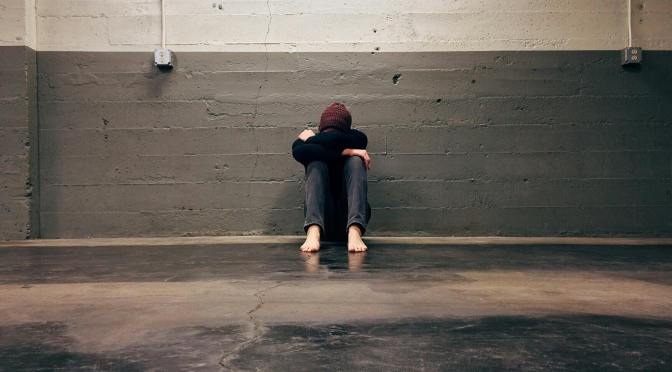
But unanswerable questions are not just those that belong to the “is it true that my particular preferences are absolutely valid and I don’t ever need to question them?” category. Some are more tragic. Recently I got asked something heart-breaking: “Is my life still worth living?”

No matter how we slice it, THIS is an unanswerable question, which doesn’t make it a meaningless string of sounds. On the contrary, it is a clearly formulated cry for help. As someone who has been struggling with depression since my teen years and has gone dangerously close to the edge on more than one occasion, I resonate strongly with it. But the fact remains that divination is not the tool to solve this issue.

I refused to open the cards on this question, obviously, but suppose I had, and suppose that, predictably, the cards had shown me the absolute mess that is this person’s life: does this make their life less worth living?

There is no answer. In this case, not because we cannot verify the details (I could easily point at the cards and say “your career is in shambles and your family life is a museum of red flags”) but because the reality of the situation has no bearing on the answer. Worth is subjective. The exact same set of circumstances that might drive someone to walk into a lake with stones in their pockets would be taken by someone else as life throwing a little challenge their way.

Therefore, in this case the question would translate as “What is your personal opinion on what makes life worth living and do you think I still meet those criteria?” I don’t think anyone would be foolish enough to even consider taking such a responsibility for themselves.1 It is much wiser to talk to the person, encourage them to open up and direct them to an appropriate source of (medical) help.

Again, though, the fact that the question cannot be answered does not imply that there isn’t a deep, real, visceral experience behind it. It is just that divination is not the way to go. It is like asking a pair of scales to measure whether you are pretty.

MQS

  1. Furthermore, people in a seriously distressed state are especially prone to esoteric influences, and would to better to avoid them, even if it’s just a simple card reading ↩︎

Vera Sibilla Cards That Indicate Negative Feelings

I already made a post about positive feelings. This is a follow-up on the other side of the coin. As usual, this isn’t meant to be exhaustive. Note that many cards indicating difficult feelings are just reversed cards whose upright meaning is positive.

Three of Hearts Reversed – The Balcony

When upright, the Three of Hearts relates to the sense of sight, both literally and figuratively. Reversed, it can represent someone who is blinded by emotion, especially such emotions as rage or lust (the “red” emotions). It can indicate the inability to control oneself as a result of such emotions.

Four of Hearts Reversed – Love

Aside from being an indication of depravity, the reversed Love card can, and in fact is more commonly found to relate to unrequited feelings, emotional dryness and deep emotional scars from disappointment, usually in love.

Seven of Hearts Reversed – The Scholar

Upright, the Scholar card represents the mind in its best aspects of intelligence, creativity and having a solid grip on reality and on one’s problems. When it is reversed, it represents either someone who is cold and calculating (the lower octave of the mind) or someone who feels impotent and easily overwhelmed by problems.

Eight of Hearts Reversed – Hope

When reversed, the Eight of Hearts is a harbinger of sorrow, disappointment and unfulfilled hopes and wishes. Being a card that is strongly connected with one’s inner optimism, the reversed Hope card becomes one of pessimism or even of mild depression (by itself).

Nine of Hearts Reversed – Faithfulness

Upright, the Dog card of the Sibilla indicates friendship and loyalty, as well as deep and strong attachment to someone, something or an idea. Reversed, it is an indicator of rebellion, unreliability and biting the hand that feeds you, from thankless teens to political activists depending on the context.

Ten of Hearts Reversed – Perseverance

Upright, the Ten of Hearts can indicate solid, reliable people, lasting feelings and certainty. When it falls reversed in a reading, the Ten of Hearts become an indication of turmoil and of not being able to control oneself, one’s instinct and one’s rage.

Two of Clubs Reversed – The Peacock

When it comes up reversed, the Peacock card embodies the negative side of the symbolism of the animal, namely pride, haughtiness, an inflated ego that is easily slighted and self-centeredness. Depending on the surrounding cards this can go from a mild drama-queen complex to serious pathological deviancy.

Seven of Clubs Reversed – Realization

The Upright Seven of Clubs represents our realization in the world, our ambitions and our sense of accomplishment. When it comes up reversed, it shows insecurity, dissatisfaction with one’s existence, and fear, especially understood as feeling under attack in one’s life projects.

Eight of Clubs Reversed – The Reunion

Reversed, the Reunion card has many difficult meanings relating to groups and one’s social contacts. However, it is also a card of disillusion, sadness and depression. It represents someone who has lost momentum and is prey to inner turmoil, self-doubt and similar feelings.

Nine of Clubs Reversed – Merriment

Coming up reversed in a reading, the Nine of Clubs reverses the hakuna matata feeling of its upright counterpart. It becomes a card of joylessness, and it can also represent feeling isolated from others, sometimes even as a consequence of other people taking shots at us.

Four of Diamonds – Falsehood

The Falsehood of this card must be understood broadly as a feeling of “wrongness” and negativity. In this sense it is the opposite of the Dog card. It represents being ill-disposed or displeased with something, and negative feelings brewing right below the surface.

Five of Diamonds – Melancholy

The title speaks for itself. Upright, the card can be an indicator of disappointment, sadness, pining, melancholy and dissatisfaction. By itself it is not a tragic card, but it does slow you down. Reversed, the card becomes much more impactful and its effects long-lasting.

Seven of Diamonds Reversed – The Child

When it falls reversed, the Child card embodies the negative side of children: childishness, in the main, but also a general sense of inexperience and that the world is too complex for us to understand and tackle.

Nine of Diamonds – The Fools

The Fools indicate feelings of unwarranted exaltation and self-confidence, mistaken conceptions, as well as easily aroused feelings of aggression. They depict a volatile atmosphere where things can go seriously south.

Ten of Diamonds – The Thief

The Thief is a card of betrayal, whether literal or metaphorical. It represents ill-will toward someone or something, and the desire to do wrong things. This needn’t be tragic, as there are many situations where the sneakiness of the Thief borders on amorality rather than immorality. Still, this card is always a warning.

Ace of Spades – Sorrow

The Sorrow card is the card of tears, of the broken heart and of the sense of being cut off from one’s source of happiness. In itself it is a very difficult card to go through, but when not piled on by other problematic cards it can show just a sense of discouragement that the person can muscle through with some mental discipline.

Three of Spades – The Widower

Another difficult card, the Widower represents isolation, loneliness and serious interpersonal issues. Being the card that signifies “oneness” and the single individual, sometimes it can show things done alone, with no negative connotation, but more often than not it foretells difficulties in one’s loneliness. When reversed, it becomes a rather tragic card.

Four of Spades – Sickness

Although this is the card that indicates literal sickness, it can also be interpreted metaphorically on occasion. It often signifies feeling sick, disturbed or down, but it can also be the card of sick and morbid feelings which cannot find a healthy expression.

Six of Spades – Sighs

Among the less difficult Spades in the deck, the Six of Spades represents everything we desperately long for and await, hoping it will come to us. It is a less serene version of the Eight of Hearts, as it contrasts its composure with a sense of uncertainty and fear of losing what one wishes to get.

Seven of Spades – Tragedy

Another card of “red” feelings, this one indicates anger and wrath. It shows explosive energy disrupting one’s life, which, from an emotional standpoint, usually signifies that we are feeling slighted or wronged or somehow unable to restrain our ire.

Eight of Spades – Desperation and Jealousy

In the main, the Eight of Spades is a card of literal jealousy and envy, but it can represent all those situations where we look at others with toxic feelings in our heart. It can also signify desperation and tears, and a sense of being trapped in a corner with no way out.

MQS