Tag Archives: Astrological Chart

To Understand Divination You Need to Understand Its Place in the World

While in Italy for the holidays, I retrieved my first notes from when I had started learning cartomancy from the person who taught me to read playing cards and the Sibilla. It’s just a couple of loose sheets on the basic meanings of the playing cards, the main combinations and two spreads (the row of cards, hardly a spread at all, and the cross).

This brought back so many memories of that period, but most of all it reminded me of how eminently practical divination used to be before its current glamorization. Of course, over time I learned a lot more from that lady than what is on that couple of now yellowed sheets, but the core of the system is there, and I believe she must have passed it on to me in no more than two sittings, if not just in one.

People who spend their time musing on the arcane meaning of the splotch of color on this or that card in the latest glossy and overly ornate oracle deck may laugh at how bare-bones that system is, but they would forget what significance divination had for the regular folks that used it to solve everyday matters.

Folk systems of fortune-telling, especially by cards, were designed to be quickly memorizable in their main lines, because they formed part of every housewife/househusband’s toolkit of remedies to the difficulties and uncertainties of life.

When an elderly person passed their meanings on to you, they did so not to introduce you to a different world detached from the real one, where you could dilly-dally with pleasant platitudes, but to send you into this life with another string to your bow. In principle, they revealed their system to you for the same reason that they taught you how to make preserves and liquors and how to best cultivate your garden.

Folk fortune-telling, in a word, was just another traditional remedy to the complexities of life. It did not involve stepping into a different plane of existence, because the everyday one was already enough, and it was looked on with the same pragmatic, solution-oriented gaze that was cast on all other problems people faced back in the day. “Don’t forget to add a small pinch of sugar to your tomato sauce. The Ace of Spades is a thorn in the heart.”

This is an attitude toward life that is hard to recapture nowadays. The idea of divination being useful has been so utterly eradicated from our mind that, when we approach it again, we do it as if it were an exotic, quaint, arcane world separate from our own. Our immediate reaction is therefore to keep it separate from our life, divorcing it from veriafiable prediction.

This stance is fatal, because it implies that our world is not inherently meaningful as it is; that meaning is found elsewhere and cannot be reconciled with our real life; that in order to find it, one must learn to look at one’s everyday struggles as illusions or as silly preoccupations not worthy of the attention of those in the know about the cosmic mechanism. All this ends up debasing both life and divination, because once life is debased, divination, which is the language of life’s drama, becomes a meaningless mirror only reflecting vague vapors.

MQS

The Via Puncti (Way of the Point) in Geomancy

I already said that I am not a big fan of complications in divination. Nor do I believe that the tendency to overcomplicate things is just modern: if we look in older Horary Astrology handbooks, for instance, they are filled to the brim with (often mutually contradictory) techniques that may be thrown at the chart in an attempt to smoke a positive judgement out of it.

Still, one technique that is relatively consistent in the tradition is that of the Via Puncti, or Way of the Point. Not all traditional sources talk about it, but I have found it to be occasionally helpful. As usual, techniques are not to be used blindly, but intelligently, like tools in the hand of a surgeon.

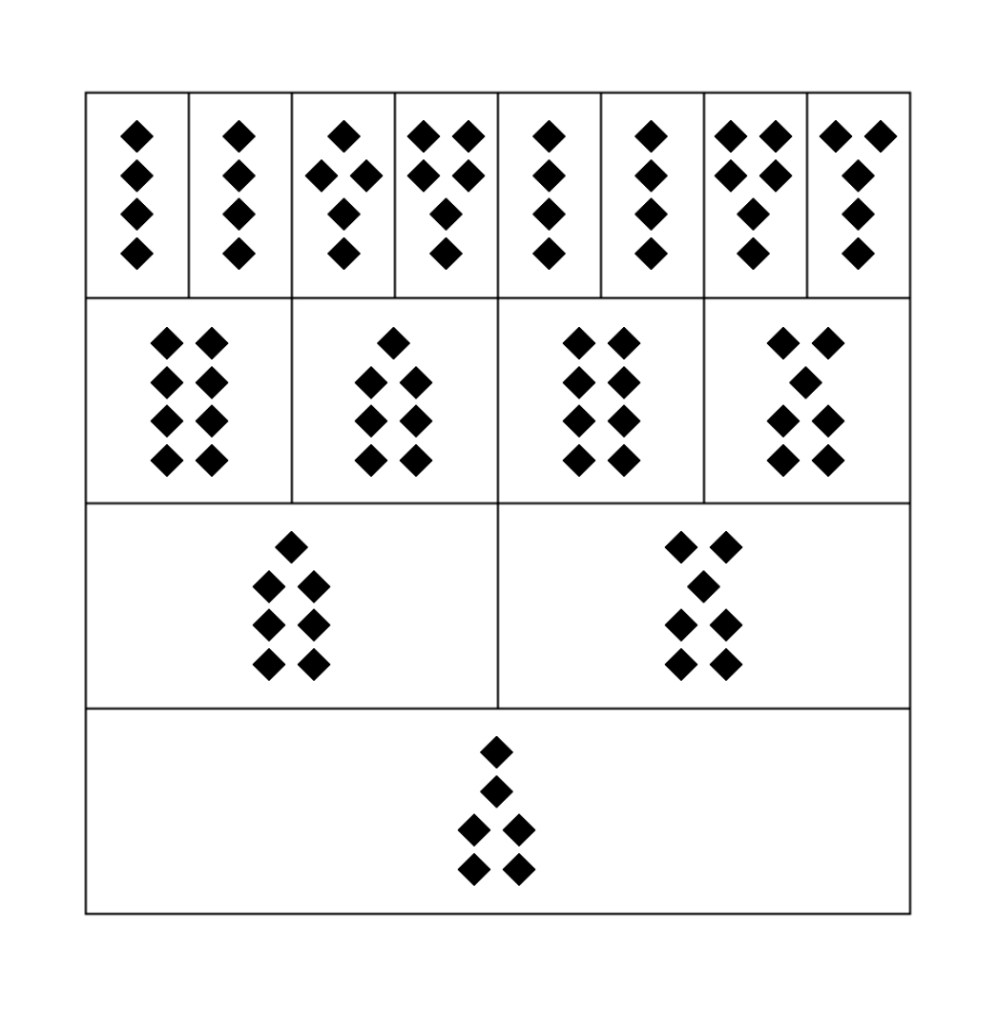
The long and short of this technique is as follows: some Judges have one point in their Fire line (the upmost one), while others have two. In fact, out of all eight possible Judges, four have one single Fire point (Carcer, Fortuna Minor, Via, Amissio), while the other four have two (Conjunctio, Fortuna Major, Populus, Acquisitio). Due to how Geomancy’s model works, whenever the Judge has one Fire line, it is possible to trace it back unequivocally to one of the four Mothers or Daughters (that is, to one of the eight figures at the top of the shield).

Geomantic Shield Reading, drawn with the Simple Geomancy app

In the above example, Fortuna Minor is the Judge. It has one point in its Fire line. This one point is found again in the Left Witness, Laetitia, and again in the third Niece, which is again Laetitia, and finally in the second Daughter Puella. No other path is possible. This is always so (if it isn’t so and you’ve calculated the chart by hand, you’ve made a mistake.)

Usually, the Via Puncti or Way of the Point can be looked at as a root cause for at least some aspects of the final answer. In the example above, for instance, a woman may be the cause (Puella). Or, if we take the House in consideration, since Puella is in the Sixth house, it may indicate that a sickness is the cause, or a servant/subordinate, or a pet, depending on the question.

I repeat: depending on the question. I make no effort to squeeze a consideration of the Via Puncti into my readings. If it is helpful, and if the question lends itself, I will consider it.

Geomantic Shield Reading, drawn with the Simple Geomancy app

In this second example, Acquisitio is the Judge. Immediately the Via Puncti branches off, as both Witnesses have two points in their Fire line. John Michael Greer says that this shows more complex causes, but he fails to mention that, in the old books, this is not considered a valid Via Puncti. I don’t know if I am unaware of some of the old material or if Greer gave in to his tendency to mix innovation (which is fine) with pretense that it is rooted in tradition. You can of course choose to experiment with Greer’s version of the Via Puncti. Personally, I don’t even always regard it when it is there (as in the first example) let alone when it is not there.

One thing that the existence of the technique shows, though, is that the Golden Dawn’s way of reading the astrological chart by placing the mothers in the angles is completely baseless, and is a typical example of the “let’s make up a secret” tendency of the occult community.

MQS

Geomancy – Reconciling the Judge and the Chart

We’ve seen that the process reading a Geomancy chart divides into two phases: the assessment of the chart and the assessment of the court.

If the chart and the court seem to hint at the same result all is well and good. Problems start when they appear to diverge and say different things. One way the old geomancers faced this possibility was by throwing random techniques at the chart so as to tease out a straight answer. In this, they were similar to old horary astrologers (“the significators are moving away and are in detriment, but ah, look at that Part of Fortune!”)

I like to keep things simple. An understanding of the first principles is more effective, I believe, than an endless array of techniques designed to allow the reader to say whatever he feels like saying at the moment. Geomancy is a “simple and short science” to quote Abano.

Abano himself, in his book, often talks about the Judge as if it described an ultimate state of affairs beyond the immediate result. This is something that I have found in other old books as well.

We only have eight possible Judges, so the Judge won’t be able to offer much subtlety in its verdict. Even after we factor in the Witnesses we still have a limited oracle. But think about it: a real-life judge doesn’t usually have much to say except to either rule for or against someone. Sure, he can tweak this or that detail, but that’s about it.

The judge’s ruling usually determines who’s happy with the result and who isn’t, but that’s not always the case. Sometimes a judge may rule in your favor but empty your victory, or conversely he may rule against you but still grant you the one small thing you care about.

Therefore, in a Geomantic reading the Judge usually describes the general tone of the answer, especially how the matter ends (well, so so or not so well). The interrelationship of the figures in the chart, though, is much more specific as it describes in more detail what happens concretely.

This is not a matter of “perfection means yes”. Perfection doesn’t mean yes. Perfection means contact or connection. Usually, of course, contact with something or someone is a positive sign as we generally want to obtain something, but context is key. “Will I be able to leave this abusive relationship?” with the two significators perfecting is a clear no.

Suppose in this example that the significators perfect, showing continuance, but the Judge is Fortuna Major. Maybe the spouse starts taking their AA meetings seriously, or depending on the other signs in the chart it may show that the querent isn’t capable of leaving now but will at a later point (Fortuna Major shows long term success)

On the other hand, there’s plenty of situations where we get our wish but later regret it. “Will I get the job?” and the first and tenth connect, but Carcer is the Judge: yes, but you won’t like it one bit.

Some like to bring in a sixteenth figure, usually called the Reconciler or the Judge of the Judge. This figure is obtained by adding the Judge to the first house figure. This can show you how the end of the matter affects the querent, but it is not a substitute for working out the meaning of the chart. All in all, the sixteenth figure only gives details, never the answer.

Greer, in his book, offers a ton of suggestions on how to deal with an obstinate chart that resists interpretation, including using certain figures to derive a new set of Mothers. Frankly, if you are that desperate, you may just as well interrupt the divination and ask the question again the next day. In all honesty, though, it has never happened to me.

The key to interpreting any oracle is to be reminded that divination is a language and language describes the world. The oracle is always a mirror of real life situations, not an abstract set of simbols.

MQS

Puella / Girl (Geomancy Figures)

Name of the Figure: Puella (The Girl)
Element: Water
Planet: Venus (direct)
Sign: Libra (Sometimes given as Aries)
Quality: Entering
Fortune: Good (with neutral undertones)

Puella is the counterpart to Puer, the boy, and the opposite figure of Rubeus (if you push Puella through Via you get Rubeus, not Puer). It is a figure of Venus direct. Just as Venus is the lesser fortune in astrology, Puella is a positive figure, but not very strong. Its testimony is easily overruled by other consideration. Its figure has two points in the Air line. This fact has been interpreted variously in modern literature. From a visual standpoint, this is said to represent a mirror or a woman’s breasts.

Illustration of the geomantic figure Puella, girl

Puella represents a girl’s or woman’s influence in the querent’s life. In this sense, the figure is neutral, and its meaning must be clarified by the rest of the chart. It also represents things we traditionally associated with women. This ranges from objects typically used by women (mirrors, lipsticks, gowns, etc.) to a feminine attitude and feminine interests.

Obviously, given its association with Venus and with womanhood, Puella has to do with love, harmony, balance, in all their applications. For instance, Puella tends to bring affection, love, togetherness. It is a good figure for interpersonal relationship, as it shows tactfulness, although it can signify someone who is easily influenced. It also has a connection with the arts, just like Venus. Everything that is pleasing to the eye falls under its jurisdiction.

Another idea connected with Puella is that of innocence. This can be played with if it is relevant to the question. Finally, Puella can represent an inability to assert oneself. If found in an unfavorable position, it can point to laziness and wastful behavior.

Common Keywords: A girl or a woman, female things (gowns, stockings, lipsticks, etc.) beauty, art, creativity, gentleness, harmony, girlish, unstable, submissive, (re)conciliation, love, feelings, easily swayed or overwhelmed, broadly positive outcome but with instability

Puella in the Geomantic Houses (these are only examples. Use context to guide your interpretation)

HousePossible Meanings
FirstHarmonious, girlish, pleasing, conciliatory, well-meaning, prissy
Secondfinery, nice things, good for money
Thirdsisters, good siblings and neighbors, good news, true rumors
Fourthharmony in the family, homemaking, gardening
Fifthsinging, dancing, arts, beauty, fun, love, kisses, a baby girl
Sixthrest, good servants, lovesickness, female pets
Seventhmarriage, wife, harmony with other people or with partner
Eighthdowry, gain through others
Ninthholiday, vacation, respite, fun, learning an art
Tenthpleasure from one’s occupation, good relationship with people above
Eleventhfemale friends, realization of hopes, help
Twelfthfemale animals, wastefulness, lack of effort, an evil woman
Thirteenthgoodwill, acceptance, loving nature, a woman from the past, a woman’s help
Fourteenthlack of harmony, there will be harmony in the future, a future woman, a woman’s opposition, indecision
FifteenthPuella cannot be Judge
Possible meanings of Puella in the various Geomantic Houses. Note that this is not meant to be exhaustive, and it only serves to jog your interpretive muscles

MQS

Albus / White (Geomancy Figures)

Name of the Figure: Albus (White)
Element: Water
Planet: Mercury (direct)
Sign: Cancer
Quality: Common
Fortune: Mixed (mostly good)

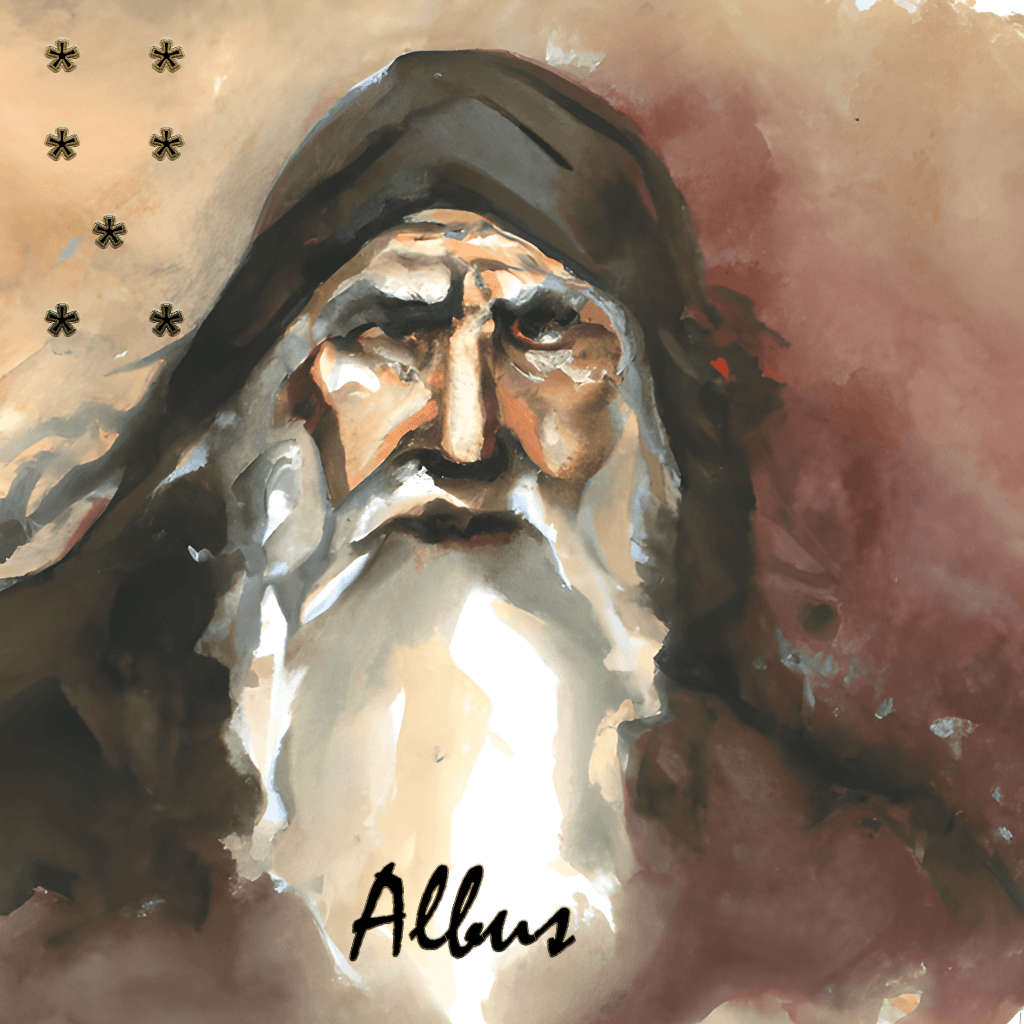
Albus is a figure of Mercury. It is formed by three couples of points plus a single point in the Water line. If we take odd points to mean the element is active, then Water is the only active element here, with nothing else to stirr it. Therefore, one could take it to symbolize the calm waters of the stilled mind. Also, it is customary to see the shape of an upright cup or goblet in the elemental configuration of Albus. This could link it further to the idea of holding in your thoughts and energies and let them decant.

Illustration of the geomantic figure Albus

Broadly, especially in a more modern interpretation, Albus is often linked to wisdom, knowledge and reflection. It represents the intelligence-aspect of Mercury, and after all, one of the many traditional images of Mercury or Hermes was of an old man. It can stand for all situations where the querent (or someone else) reflects or studies or plans a lot. Nothing will be rushed and instincts are not to be followed without first thinking about what we are doing.

Other common associations of Mercury also come to the fore. Albus is said to be a very good figure for commerce and wealth. Broadly it could show investments. Furthermore, it is obviously a figure of communication, and can therefore be linked to messages, letters, phone calls, etc. It also rules books and sciences.

The idea of whiteness can also indicate purity, honesty (which is not always a given with Mercury) and chastity. Some old manuscripts also link it to women and to old people, possibly due to this connection with chastity which was supposed to be the virtue of (especially) women and the destiny of old people. I’m more inclined to see the connection with old people than with women.

Common Keywords: Old people, wisdom, maturity or maturation, study, learning, communication, knowledge, reflection, meditation, medicine, healing, purity, honesty, water

Albus in the Geomantic Houses (these are only examples. Use context to guide your interpretation)

HousePossible Meanings
FirstOld person, Honest person, reflective, studious, good news
SecondMerchandise, Commerce, Money, Financial planning
ThirdCommunication, Letters, Messages, Good relationship with siblings
FourthOld relatives, Good lineage, Gain, Inheritance, Watery places
FifthGood messanger, Good ambassador, Good children, Twins, Writing
SixthGood medication, Good servants who know what they are doing
SeventhCommercial partnership, honest relationship
EighthTears, Gloominess, Money from other people
NinthGood for travel, Inner journey, Reflection, Study, Good science
TenthGenerally good news, Wise rulers or boss
EleventhMoney from above, Helpful friends, Serious hopes
TwelfthLong imprisonment, gain through large animals
ThirteenthAbility to reflect, Good business sense, Chastity, Talent, Study
FourteenthLack of reflection or business sense, There will be gain or study
FifteenthAlbus cannot be Judge
Possible meanings of Albus in the various geomantic houses. Note that this is not meant to be exhaustive and it only serves to jog your interpretive muscles

MQS

Puer / The Boy (Geomancy Figures)

Name of the Figure: Puer (The Boy); sometimes called Beardless
Element: Air
Planet: Mars (direct)
Sign: Aries (Sometimes given as Libra)
Quality: Exiting
Fortune: Bad (but in practice neutral, sometimes positive)

Puer is a much misunderstood figure in Geomancy. Because it is assigned to Mars, it is sometimes given as invariably bad. In reality, the figure is mostly neutral, and much depends on the question, where it comes up and with what other figures. Symbolically, the Puer glyph is said to represent a phallus or a sword, which is fitting considering the Mars association. The sword is a symbol of war, justice and action. Indeed, these are all potential meanings of Puer.

Illustration for the geomantic figure Puer, the Boy

The main meaning, however, is that of representing a man (not necessarily young) Very often, Puer shows the influence of a man in the question. Man means man, not your lesbian aunt who looks like Super Mario and has been called “sir” once by a distracted store clerk. On the other hand, in my limited experience I have found that trans men do show up as Puer and trans women as Puella. Needless to say, the influence of this man in your life or question will depend on the other figures, and is not in itself negative.

As an extended set of correspondences, Puer also indicates all manly things, the male side of existence. This can go from traditionally man-related things (trousers, ties, drills etc.) to traditionally man-related action, such as taking action and fighting. The figure, however, is called Puer, boy, so there is always the martian tendency to be rash and take action without putting much thought in it. Interestingly, Puer and Puella both tend to be rather unstable figures, but for different reasons. Puer is instability due to lack of foresight and forethought.

Sometimes, Puer can be exactly what is needed to break a stall: sometimes you just need to go “the hell with it” and do your thing. However, Puer lacks patience and the ability to reconcile oppositions, and this can be the cause of trouble. Also, sometimes Puer is associated with sex due to the Mars correspondence, but I see it more as the ardor or drive toward sex (in other words, horniness) but I see sex as a prerogative of Conjunctio.

Common Keywords: A boy, A man, All things manish or masculine, Justice, Doing what’s right, Action, Energy, Strong drive, Thoughtlessness, Danger from rash action, Cutting instruments, Fights, Litigation, Arguments

Puer in the Geomantic Houses (these are only examples. Use context to guide your interpretation)

HousePossible Meaning
FirstEnergy, Action, Manish behavior, Justice, Rashness
SecondRash action, Overspending, Energy in enterprise
ThirdArgument with siblings or neighbors, False rumors
FourthControversy, Fights, Useful to take action, Discovering hidden treasures
FifthA baby boy, Bad intermediary, Happiness, Having fun
SixthSurgery, Danger from doing the wrong thing, Need for toil
SeventhDivorce, Marriage or partnership too soon, Energy in enterprise, Picking fights
EighthLittle gain from other people, Danger with sharp instruments
NinthGood for travel, bad for learning, False science
TenthGreat enterprise in job, Loss of job, Manual work, Infamy
EleventhArguments with friends, Being friends with the bad boys, Minor contrarieties in getting one’s wish
TwelfthTrouble with the law from doing something silly, Quick liberation, Backstabbing
ThirteenthQuerent has energy, Takes action, Has been rash in the past, There has been fighting
FourteenthQuerent will need to put more energy into it, There will be fighting
FifteenthPuer cannot be the Judge
Possible meanings of Puer in the various Geomantic Houses. Note that this is not meant to be exhaustive, and it only serves to jog your interpretive muscles

Fortuna Minor / Lesser Fortune (Geomancy Figures)

Name of the Figure: Fortuna Minor (Lesser Fortune); sometimes called Exiting or Outgoing Help
Element: Earth
Planet: Sun (setting)
Sign: Taurus
Quality: Exiting
Fortune: Bad (but in practice mostly good)

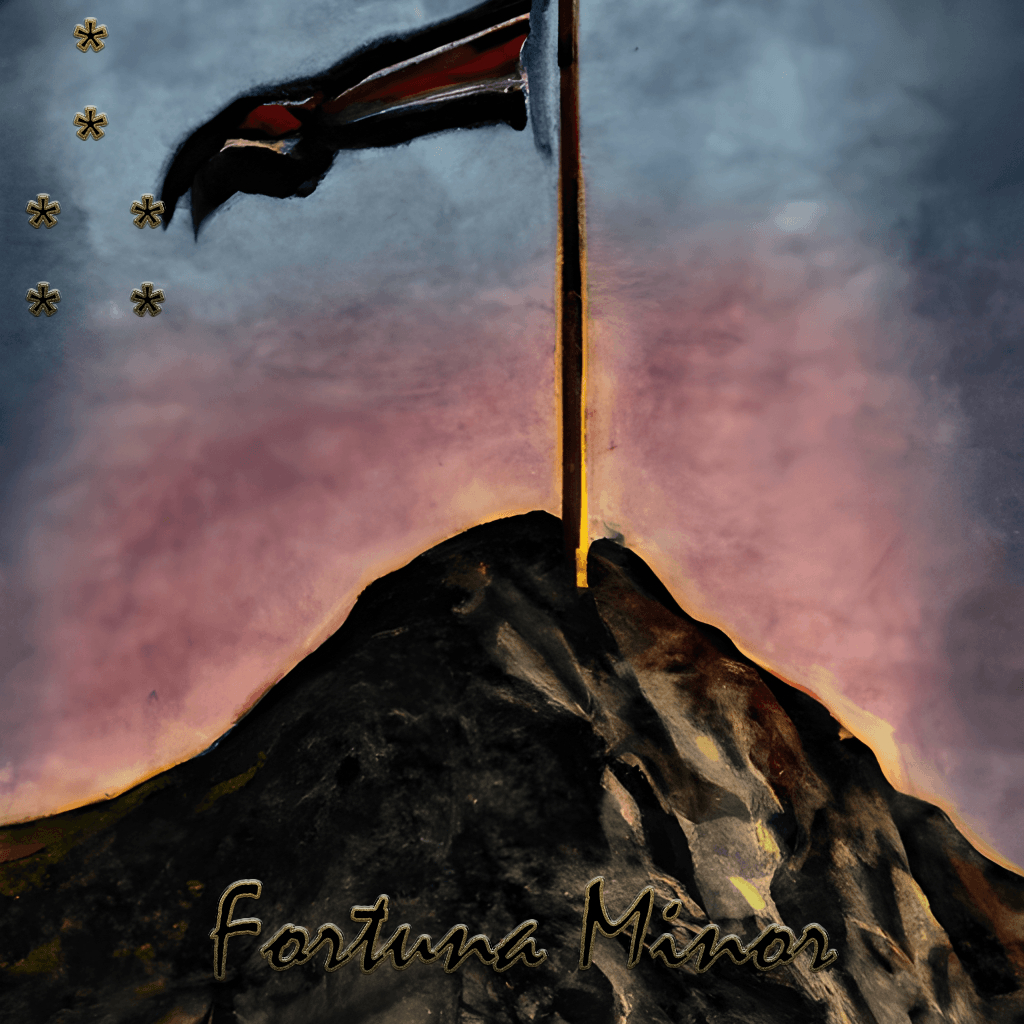
Fortuna Minor is the opposite of Fortuna Major in many ways. From an elemental standpoint, it has exactly the opposite configuration. Whereas Major has one point in the passive elements (Water and Earth) and two points in the active ones (Fire and Air), Minor has one in the active elements and two in the passive ones. If we take one point to indicate that the element is manifest or activated, then Fortuna Minor plays its hand very differently from Fortuna Major. Wheras the latter represents calm, focused, long-term action, Fortuna Minor may indicate a quick onrush of energy which is immediately expended.

Illustration of the geomantic figure Fortuna Minor, Lesser Fortune

In some old manuscripts there are indications that Fortuna Minor may have been considered a bad figure. However, when the same manuscripts indicate the effects of the figure in the various houses, they give it as mostly good. I believe this is due to the fact that, being the opposite of the more regal Fortuna Major, Fortuna Minor was considered negative, but being a figure of the Sun, it was still good enough to have a positive effect.

In general, its effect is very quick, and often manifests in the form of an unexpected chance that needs to be taken as it arises, or it will disperse quickly. Being a figure of the setting Sun, Minor may further indicate the last chance one has to make things right, but this needs to make sense within the contest of the question. In general, Minor is more positive than Major when you need something done quickly. However, it can show that the situation may either deteriorate or need constant upkeep in the long run.

Fortuna Minor retains many of the basic qualities of its sibling, being connected with money, gold, courage, nobility, etc. However, these qualities are understandably of lesser value. Also, the adjective “minor” may on occasion indicate that the result will be satisfying, but not wholly satisfying. Maybe some sacrifices will need to be made. Again, this needs to be checked against the whole chart.

Common Keywords: unexpected help, a stroke of luck, a chance to be taken, quick results but possibly unstable in the long run, the last chance, money, health, nobility, moderate satisfaction, etc.

Fortuna Minor in the Geomantic Houses (these are only examples. Use context to guide your interpretation)

HousePossible Meanings
FirstGood person, honorable, active, healthy, lucky, noble
SecondGain, A sum of money (not big), Quick wealth, Objects, Possessions of good value
ThirdGood relationship with siblings and neighbors, partly true rumors, Good for short trips
FourthA small inheritance, Discovering hidden treasures, Good relationship with the father, buildings, etc.
FifthGood luck in matters of art, gain through it, Helping children or help from one’s children, Good relationship with them, Joy, Celebration
SixthQuick recovery from illness, toil won’t be in vain, Small vexations from servants
SeventhA chance meeting with someone, gain through acquaintances, Protection from theft, Marriage
EighthGain through the spouse or partnership, help getting out of a fear-inducing situation, Honorable death
NinthQuick return from journey, Change of place, Good faith, Mostly good science and knowledge
TenthNoble people, Employment, Good chance, Good relationship with the mother
EleventhMoney from the government, Opportunity, Help from friends
TwelfthQuick return to freedom for the prisoner, safety from hexes and magic, Loss of honor
ThirteenthHonor, Good faith, Past chance
FourteenthLack of honor, Lack of chances, Chance in the future, Future good luck
FifteenthQuick good outcome, Fame, Honor, Gain
Possible meanings of Fortuna Minor in the various Geomantic Houses. Note that this is not meant to be exhaustive, and it only serves to jog your interpretive muscles

MQS

Fortuna Major / Greater Fortune (Geomancy Figures)

Name of the Figure: Fortuna Major (Greater Fortune); sometimes called Arriving or Incoming Help
Element: Earth
Planet: Sun (rising)
Sign: Aquarius
Quality: Entering
Fortune: Good

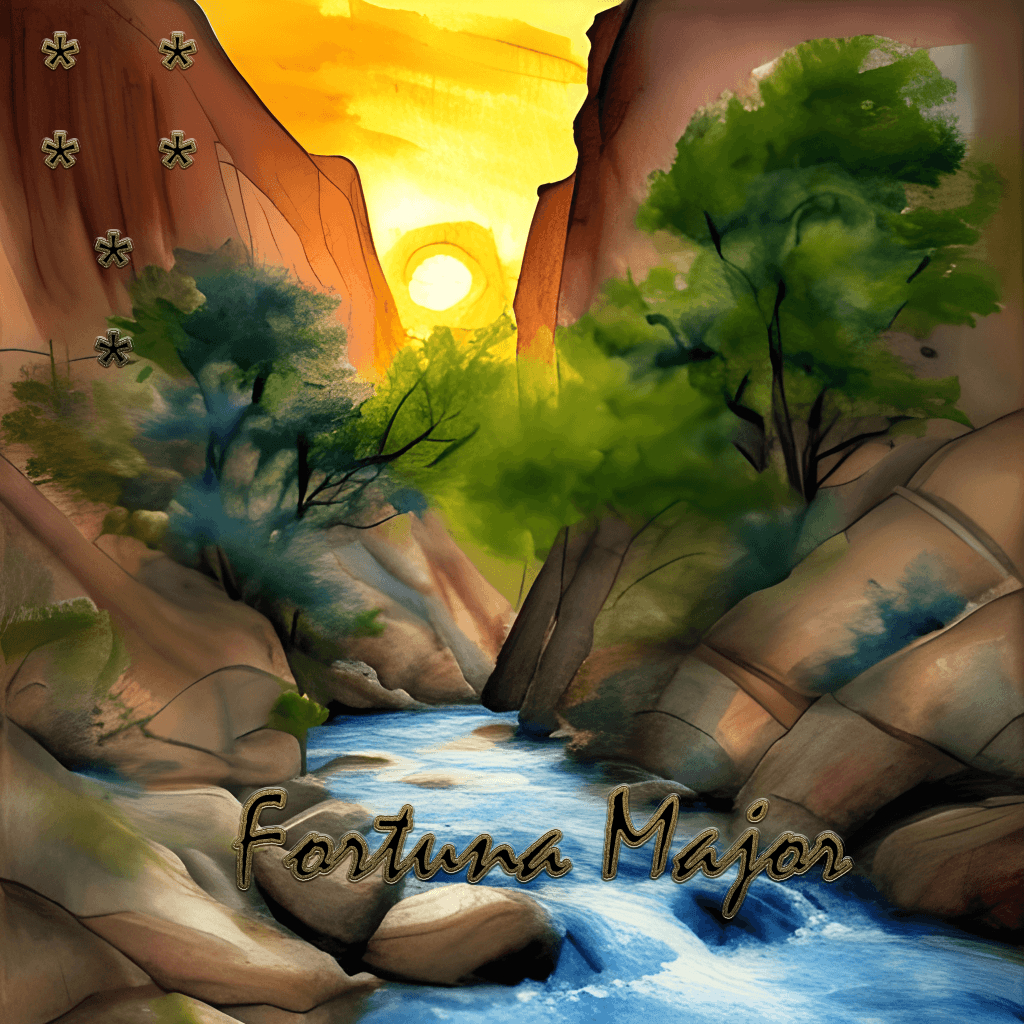
Fortuna Major is the Greater Fortune of the geomantic figures. It has a plethora of symbolic attributes that may be useful to someone looking to use geomancy as a framework for magic, but as far as divination goes, it is relatively straightforward in its meaning. From a strictly symbolic standpoint, it may be said to represent a river flowing between two mountains while the Sun rises. Whether this is the case or not, it represents a peculiar form of fortune that is not blind luck.

Illustration of the geomantic figure Fortuna Major, Greater Fortune

If we accept preliminarily the symbolic depiction and also the common view that one point means the element in the figure is active, then Fortuna Major is formed by activating the passive elements (Earth and Water) and by keeping the active elements (Fire and Air) passive. Metaphorically, the water flowing and cutting its own path through life by moisturizing the earth can be taken to show the type of fortune that Fortuna Major indicates: the hard-won one.

All, or at least most traditional sources agree that Fortuna Major is a slow figure, promising success but also delay. This can be good or bad depending on what the querent needs. For instance, it can be slightly worrying for illness, and someone in prison is probably looking at a longer sentence, but the figure remains broadly good. It is a symbol of fortitude. In good things, while it may show delay, it also promises stability.

In general, Fortuna Major promises success through effort, Nothing will be handed to the querent for free, but at the same time, the fact that this figure shows up indicates that the querent has the potential to achieve what he wants. It also has the general attributions of the Sun, signifying gold, renewal and similar.

Common Keywords: success through effort, perseverance, constancy, stability for good or ill, renewal, gold, some delay, great satisfaction, triumph

Fortuna Major in the Geomantic Houses (these are only examples. Use context to guide your interpretation)

HousePossible Meanings
FirstOf great stature, resilient, kingly, a nobleman, steadfast, long life, health, honorable, well-known, accomplished
SecondWealth, accumulation, riches, fortune
ThirdWell-being of siblings, good for short trips, True rumors
FourthGood in stable things, inheritance, good for parents and for the father
FifthFriendship, good grace, talent, success of a mediator
SixthGain through small animals and servants, slow recovery
Seventhlasting union, honorable partner
EighthWealth through partners of all kinds, long life, honorable death,
NinthGood science or skill, Long travel, Honor and success through travel, Piety, Faith
TenthKings, honorable people, achieving honors, promotion
EleventhGood friends, Achievement of hope, help from government
TwelfthLong prison sentence, freedom from occult enemies, gain through large animals
ThirteenthSuccess in the past or present, stamina, power, ability to achieve what one wishes
FourteenthSuccess in the future, Still need for a lot of work
FifteenthSuccess, Accomplishment of most things through effort
Possible meanings of Fortuna Major in the various Geomantic Houses. Note that this is not meant to be exhaustive, and it only serves to jog your interpretive muscles

MQS

nec sequar nec ducam

Populus / The People (Geomancy Figures)

Name of the Figure: Populus (The People); sometimes called Double Way
Element: Water
Planet: Moon (waxing)
Sign: Capricorn
Quality: Common
Fortune: Mixed

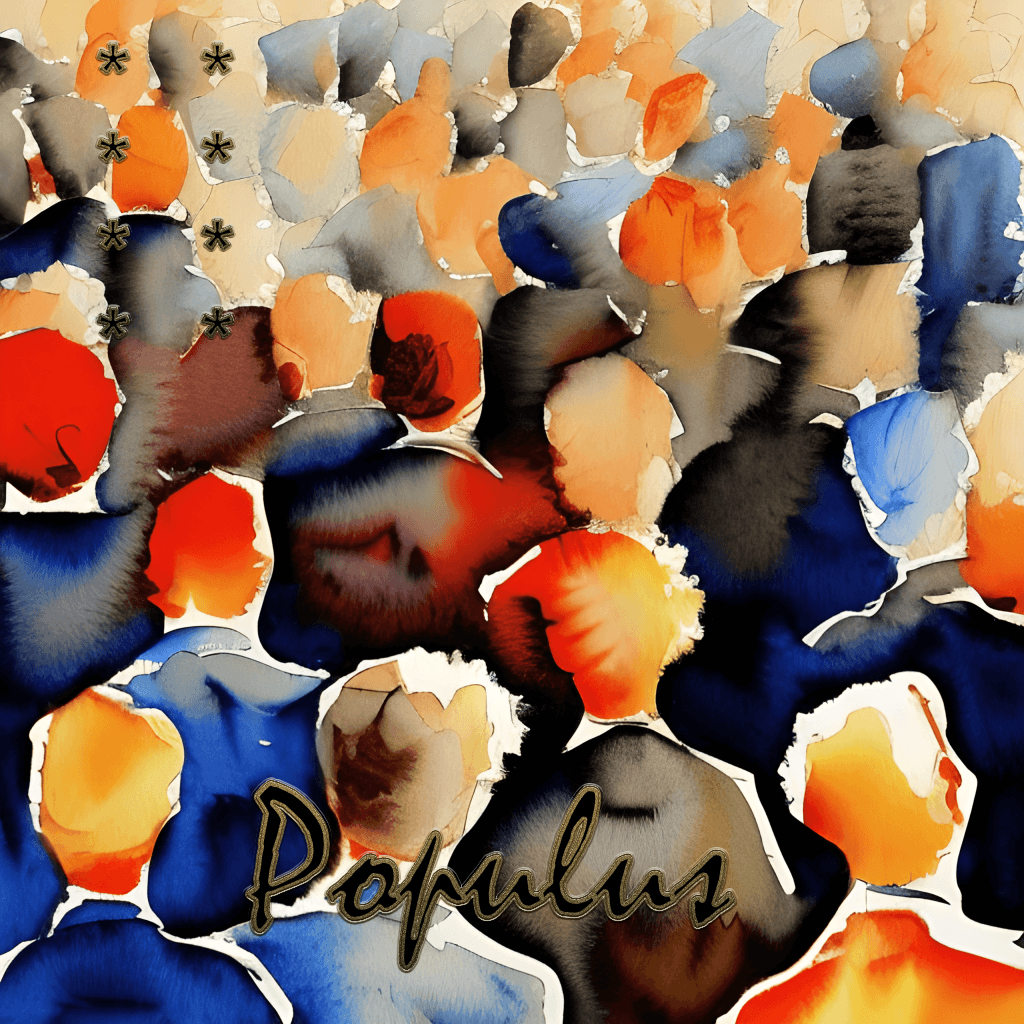
Populus is the opposite of Via, the other figure of the Moon. Its properties are in many ways diametrically opposite. Where Via forces a radical transformation of every figure it comes into contact with, flipping it into its opposite, Populus passively accepts every figure as it is, like a mirror or a bunch of clay waiting to be shaped. This latter comparison is very apt, as in Medieval (Aristotelian) philosophy, the Moon was seen as receptacle and a symbol of matter, which was capable of receiving all forms, just as the Moon receives her light from the Sun, but was ultimately beyond complete formation.

Illustration of the Geomantic figure Populus, the People

The Medievals, who were fond of finding similitudes and parallels everywhere, also saw the common folk as matter and the Emperor or King as the form-giver, just like they saw the female as matter and the male as form, so they must have felt a great thrill in finding all these correspondences at play in Populus, which also represents people (just like in astrology the Moon rules common people). If Via represents the Moon’s changeable nature, Populus is her passivity.

Populus is formed of the highest number of points of any Geomancy figure, eight, in contrast to Via, which had the least with four. This brings to light another common meaning of Populus: that of indicating “lots” of something, for good or ill.

Some old Geomancers considered Populus extremely bad, some saying that if Populus was the Judge, the chart wasn’t valid. I find this to be nonsense. We already have a limited number of possible charts to play with, and if we exclude those ending in Populus we eliminate a whole bunch more. Plus, in my experience, Populus is a neutral figure, augmenting the good and bad of other figures.

Common Keywords: passivity, receptivity, stability, a situation that may have various influences at play but in the end won’t change much, many people, groups of all kinds, crowd, togetherness, lots of anything that may make sense in the context, large, big, numerous

Populus in the Geomantic Houses (these are only examples. Use context to guide your interpretation)

HousePossible Meanings
FirstA long and/or mediocre life, a mutable life subject to many influences, lots of water, phlegmatic temperament, companionable
SecondLots of money, great wealth, many objects
ThirdMany siblings or cousins, neighbors, small trip by water or near a body of water
FourthCities, castles, buildings, abundance, fertile terrain
FifthGreat harvest, many children, gathering of artists (like an exposition), A fun gathering
SixthMany servants or small animals, dangerous illness
SeventhMany acquaintances, Good marriage, Pliable but unstable partner, Many public enemies
EighthTears, A funeral, Lots of money from the partner
NinthLong travel especially by water, pilgrimage with other people, a class or learning group, a spiritual gathering
TenthA gathering of important people (like a cabinet meeting), elevation of regular people, Rebellion of the common folk
EleventhLots of money from the government, Lots of friends
TwelfthMany occult enemies, evil machinations, groups of prisoners
ThirteenthPublic favor, stable past, good company
FourteenthThe public is against, many obstacles or lots of opposition, stable future
FifteenthSome delay, stability in the end, good if coming from good figures, bad if from bad ones
Possible meanings of Populus in the various Geomantic Houses. Note that this is not meant to be exhaustive, and it only serves to jog your interpretive muscles

MQS

The Meanings of the Geomantic Houses

In European geomancy, the places occupied by the figures in the Shield are assigned the meaning of the houses of an astrological horoscope. I have no idea if this corresponds to older Middle-Eastern practice or if it is a European innovation. Certainly, if Astrology hadn’t been attached to Geomancy by the Arab magi of old (which it probably was), it got coupled with it as soon as it reached Europe, since Astrology was not only extremely popular–it was also the only method of divination that was not unanimously frowned upon by the church, the reason being that it was perfectly embedded within the shared understanding of how the cosmos was thought to factually work, so that the anticipations given by astrology could be defended as being just part of how life worked and, therefore, scientific (in the old meaning of science). Astrology was indeed often condemned, but it was hard to condemn it without condemning a lot more stuff that the church liked.

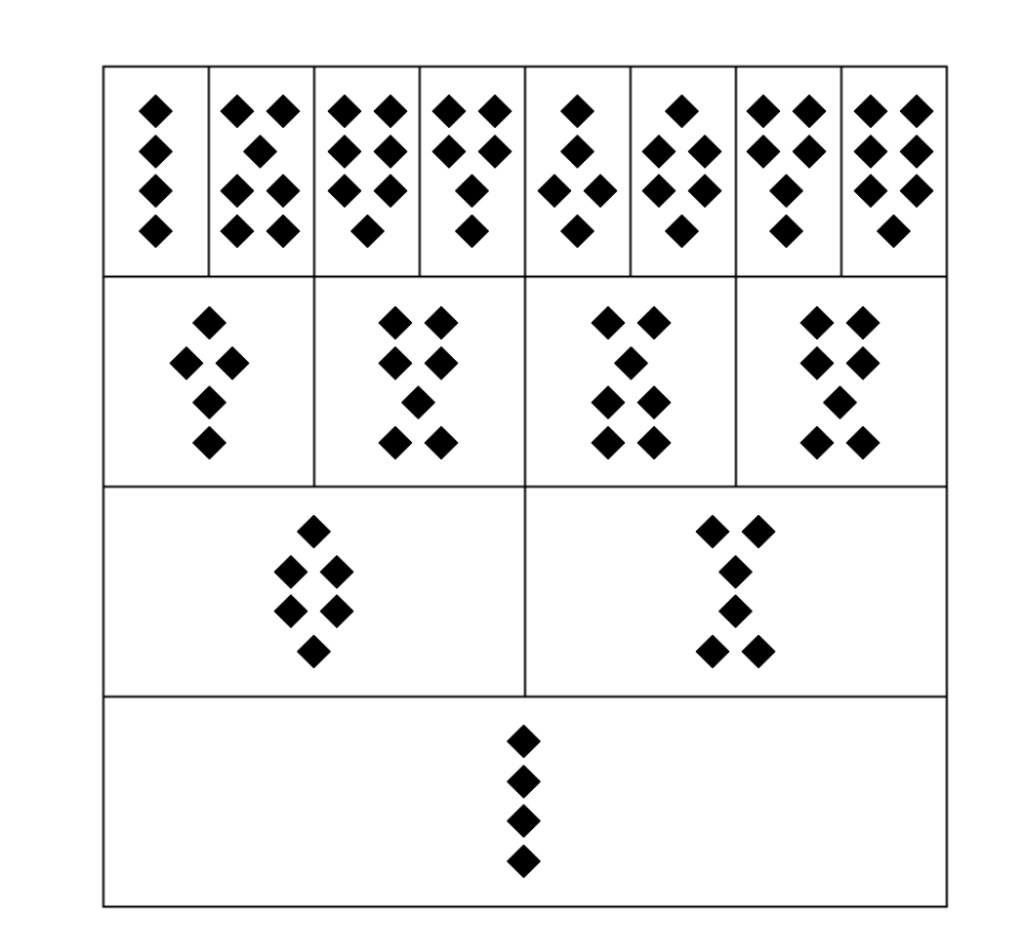
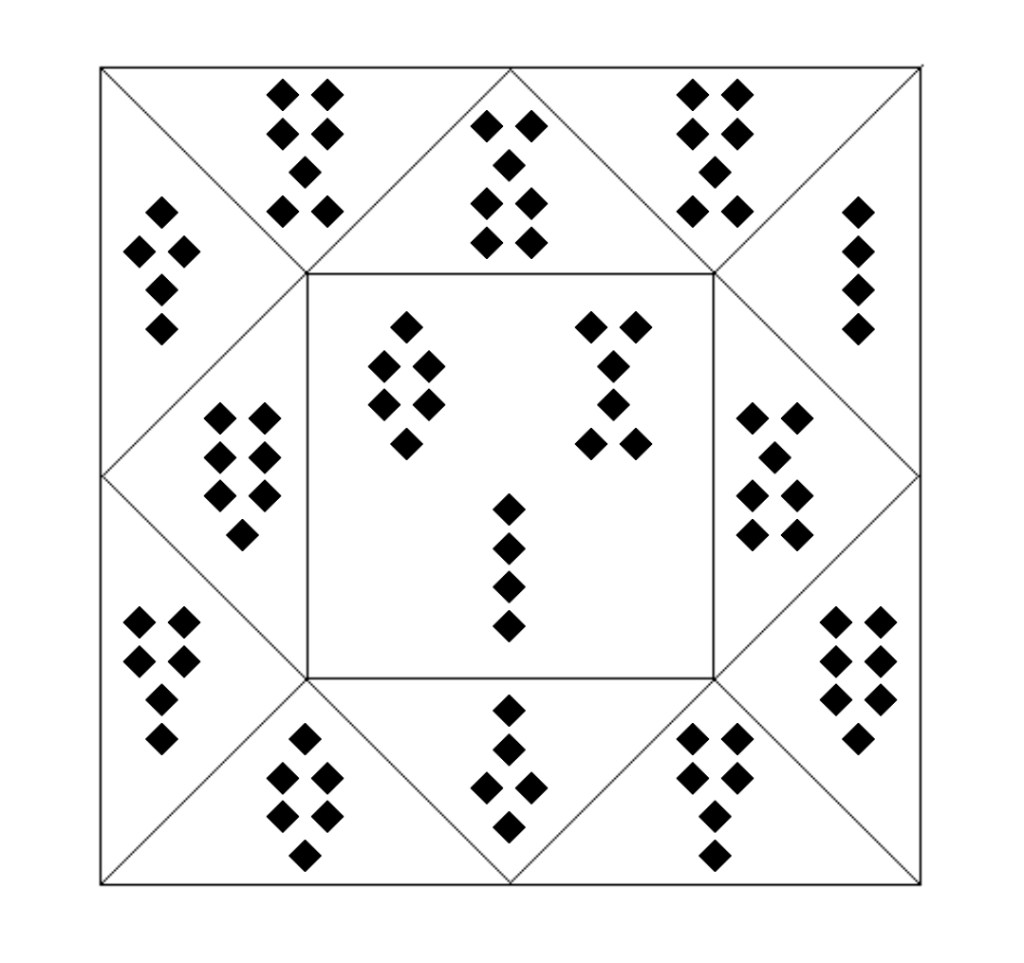
The Geomantic Shield, therefore, got assigned the meanings of the astrological houses. As far as I can tell from reading the old manuscripts, the difference between the Shield chart and the square astrological chart was not very marked–if at all. Most manuscripts assign the meanings of the houses to the Shield itself, without bothering to turn the Shield into an astrological chart. This is even true when they describe the modes of perfection. A few manuscripts do show the astrological chart at one point or another, but only to remark on the similarity with the Shield chart.

A Geomantic Shield
The same chart as an astrological horoscope

I may be wrong, but I get the sense that the distinction between Shield chart and Astrological chart was only emphasised following the Golden Dawn’s reshuffling of the houses by following Agrippa. Basically, the GD (again, following Agrippa) assigned the four Mothers to the angles, the four Daughters to the succedent houses and the four Nieces to the cadent houses. This is in line with the old occult fascination for making up bogus secrets to get people interested in your person. People needed to keep occupied, in a world where Monopoly hadn’t been invented yet.

It is also in sharp contrast to the old practice of following the numerical order of the figures (First House = First Mother, Second House = Second Mother, etc., shown in the image above) Note, furthermore, that in the old practice, the Witnesses and the Judge were usually considered normal houses (often called the thirteenth, fourteenth and fifteenth houses.)

The meanings of the houses, as said, correspond more or less to those of a horary chart. You will find that not all sources agree. Here’s a good start (it’s not exhaustive, but it’s something.)

HouseFigureAttributes
First1st MotherThe Querent, Querent’s Body, Appearance, Mind, “Here”
Second2nd MotherQuerent’s possessions, Moveable Goods, Money, Assets, Sustenance
Third3rd MotherSiblings, Neighbors, Letters, News, Communication, Rumors, Short Trips, Regular Journey, Lower Education
Fourth4th MotherThe Father, The Parents in general, Old Relatives, Lineage, House, Property, City, Castle, Buried Treasures, Fields, End of the Matter
Fifth1st DaughterJoy, Mirth, Fun, Festivities, Clothes, Children, Pregnancy, Art, Self-Expression, Sexual Activity, Harvest, Messengers, Diplomats
Sixth2nd DaughterSickness, Trouble, Toil, Difficulties, Surgery, Small animals (pets, goats, sheep, etc.), Servants, Employees
Seventh3rd DaughterMarriage, Partnerships, Partners, Public Enemies, Other People, The Public, Thieves, “There”
Eighth4th DaughterDeath and the Dead, Money from other people, Dowry, Fear, Failure
Ninth1st NieceLong Journeys, Pilgrimages, Church, Spirituality, Higher Education, Faith, Teachers, Courses, Higher Knowledge and Skills, Church People and Prelates, God
Tenth2nd NieceThe Mother, Honor, Ascension, King, Emperor, Government, Job, Profession
Eleventh3rd NieceFriends, Help, Money from the Government, Wishes, Hopes, Fortune, Luck
Twelfth4th NieceEvil, Secret Enemies, Addiction, Prison, Curses, Hexes, Large Animals (Large Cattle, Horses, etc.), Impotence to act
ThirteenthR. WitnessThe Querent, The Querent’s side, What’s in Favor of the Querent, The Past
FourteenthL. WitnessOpposition to the Querent, The Other Party, The Future
FifteenthJudgeAnswer, Ultimate Development of the Question
The meanings and attributes of the Geomantic houses

Note: All images are from the App ‘Simple Geomancy’

MQS